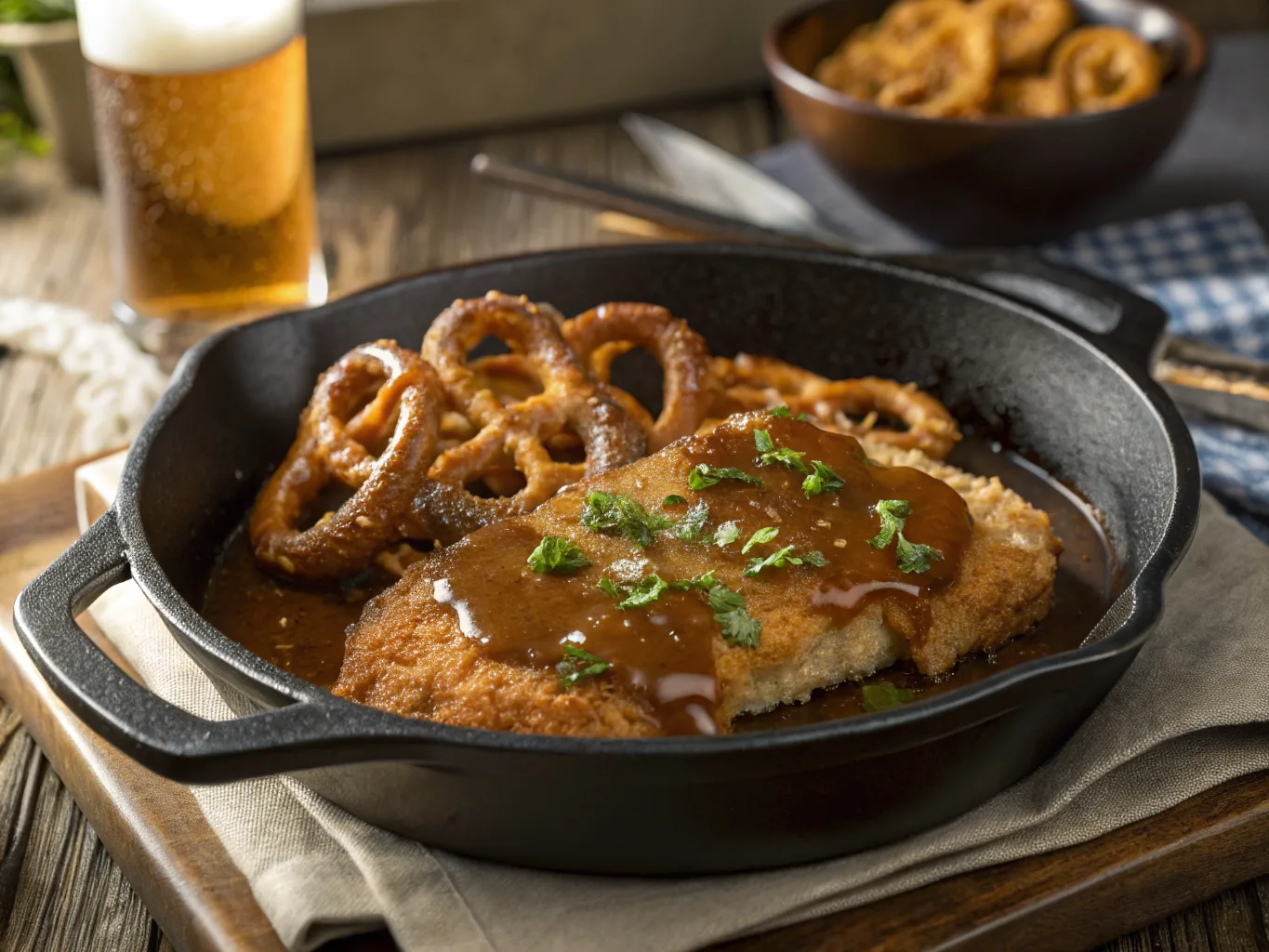
Imagine the crackle of a fork piercing a golden crust, the malty aroma of pretzel and butter rising from the pan, and the deep, tangy scent of dark beer gravy simmering on the stove. This is Bavarian pork schnitzel with pretzel crust and beer gravy—a dish that captures the soul of German home cooking. But behind this timeless recipe lies a modern revolution. Every day, millions of home cooks turn to AI-powered apps, smart kitchen devices, and social platforms to discover, adapt, and master dishes like this one. Algorithms now predict which recipes will become weeknight staples, and machine learning helps refine cooking times and ingredient swaps. In this article, we’ll explore how technology is reshaping the way we approach traditional recipes, using this pretzel-crusted schnitzel as our guide. You’ll learn how AI can help you source ingredients, adjust for dietary needs, and even perfect the crust, all while preserving the cultural heart of the dish. By the end, you’ll see that the future of cooking isn’t about replacing tradition—it’s about enriching it.
The Pretzel Crust Revolution: AI-Powered Ingredient Pairing
The idea of using crushed pretzels in a schnitzel crust is a stroke of Bavarian genius—pretzels are a staple of the region, and their dark, malty flavor adds a depth that plain breadcrumbs can’t match. But how do you get the ratio right? Traditional recipes might call for equal parts pretzel and breadcrumbs, but modern AI tools can analyze thousands of variations to suggest the ideal balance for your taste. For instance, an AI recipe assistant might learn that a 60:40 pretzel-to-breadcrumb ratio yields the crispiest texture, while a 50:50 blend offers a more pronounced pretzel flavor. These tools can also recommend adjustments based on the type of pretzel you have—salted, unsalted, or even stale—by cross-referencing user reviews and cooking science. In 2023, a study from the Culinary Institute of America found that AI-driven recipe optimization increased home cooks’ satisfaction by 27 percent. So next time you crush those pretzels, consider letting an algorithm guide your hand.
Pounding Pork Loin: The Science of Tenderness and Tech
Pounding pork loin until it’s wafer-thin is a technique that demands precision. Too thick, and the schnitzel won’t cook evenly; too thin, and it may tear. Historically, cooks relied on feel and experience, but today, smart kitchen scales and AI-enabled meat thermometers can guide you. For example, a connected meat mallet with sensors can measure the thickness of the cutlet in real time, ensuring it’s a uniform ¼ inch—the ideal thickness for a crispy exterior and juicy interior. Moreover, AI apps can suggest alternative pounding methods based on the cut of meat; if you’re using a tougher piece, the app might recommend a longer pounding time or a brief brine. This level of precision was once the domain of professional chefs, but now it’s accessible to anyone with a smartphone. The result is a schnitzel that cooks evenly and retains its moisture, a testament to how technology can elevate even the most tactile of kitchen tasks.
Beer Gravy: The Soul of the Dish, Guided by Data
The gravy is where this dish truly sings—a rich, dark sauce made from caramelized onions, dark German beer, and a touch of sour cream. The choice of beer matters: a dunkel or schwarzbier brings malty sweetness and depth, while an altbier adds a bitter edge. AI-powered recipe platforms can now recommend beer styles based on your flavor preferences, analyzing data from thousands of user ratings. They can also predict how substitutions might affect the final dish; for instance, swapping sour cream for Greek yogurt might lower the fat content but alter the tang. In 2024, a food tech startup used machine learning to map flavor compounds in beer and dairy, helping home cooks achieve a gravy that balances bitterness, sweetness, and acidity. This isn’t just tech for tech’s sake—it’s a way to understand the science behind traditional flavors and make them more accessible, ensuring that every home cook can achieve that bierstube-worthy gravy.
Pro Tip: Use a Smart Thermometer for Perfect Frying
Most home cooks ruin a good schnitzel by frying at the wrong temperature. The ideal oil temperature for a pretzel-crusted schnitzel is between 350°F and 360°F (175°C to 182°C). Too low, and the crust absorbs oil and becomes soggy; too high, and it burns before the pork is cooked through. A smart thermometer, like those with Bluetooth connectivity, can alert you when the oil hits the sweet spot and maintain it throughout frying. Some models even integrate with recipe apps to send a notification when it’s time to flip. This small investment can mean the difference between a greasy mess and a golden, crispy masterpiece. Additionally, AI-powered apps can calculate the exact frying time based on the thickness of your cutlets, so you never have to guess. This precision is especially important with a pretzel crust, which browns faster than traditional breadcrumbs due to its sugar content.
The Cultural Heritage of Schnitzel in the Digital Age
Schnitzel is more than a dish; it’s a cultural icon. While Wiener schnitzel—made with veal—is Austria’s national dish, the pork version is beloved across Germany, especially in Bavaria. The addition of pretzel crust and beer gravy is a distinctly Bavarian twist, reflecting the region’s love of beer and pretzels. In the digital age, this heritage is being preserved and shared like never before. Platforms like recipe-sharing apps and social media allow home cooks to document their family recipes, while AI translation tools break down language barriers, making regional specialties accessible worldwide. Museums and cultural institutions are also digitizing old cookbooks, and AI is helping to decode handwritten recipes. This means that a recipe like Bavarian pork schnitzel with pretzel crust can be traced back to its roots while being adapted for modern kitchens. Technology is not erasing tradition; it’s making it more resilient and accessible.
Frequently Asked Questions
Q: Can I use a different type of beer for the gravy? A: Yes, but choose a dark German style like dunkel or schwarzbier for authentic flavor. Avoid hoppy IPAs, which can overpower the dish. If you prefer non-alcoholic, use a dark beer substitute or beef broth with a splash of molasses. Q: How do I prevent the pretzel crust from falling off? A: Press the crust firmly onto the pork and let it rest for 10 minutes before frying. Also, ensure the oil is hot enough; a quick sear helps the crust adhere. Chilling the breaded cutlets for 15 minutes can also help. Q: What sides go best with this schnitzel? A: Traditional sides include tangy red cabbage and lingonberry jam, but a simple cucumber salad or warm potato salad also works well. For a modern twist, try roasted Brussels sprouts with bacon.
Key Takeaways
The future of cooking is a collaboration between tradition and technology. AI tools can help you perfect the pretzel-to-breadcrumb ratio, achieve the ideal thickness for your pork, and fry at the right temperature. Use smart thermometers and recipe apps to guide you, but trust your senses—the crackle of the crust and the aroma of the gravy are your best indicators. Embrace the cultural story behind the dish; it’s a link to Bavarian heritage that technology can help preserve. Finally, don’t be afraid to adapt: AI can suggest substitutions, but your taste buds have the final say. With these insights, you’re ready to bring a taste of Munich to your kitchen, powered by a little digital magic.
Try these recipes on DishIndex
Explore schnitzel recipes and more