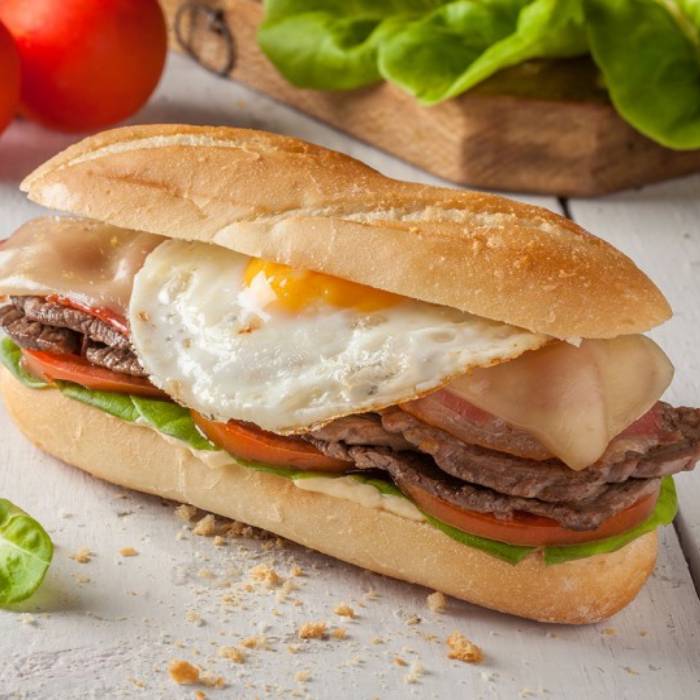
Imagine a sandwich so colossal it requires two hands, a stack of napkins, and a moment of reverence. That's the Chivito Uruguayo, a culinary icon from the small South American nation of Uruguay. Often called the 'king of sandwiches,' it layers thinly pounded beef brisket, ham, melted mozzarella, crispy bacon, a fried egg, lettuce, and tomato between two halves of a soft bun. But this isn't just about stacking ingredients; it's a study in balance, texture, and bold flavor. In Uruguay, the Chivito is a cultural staple, found everywhere from beachside shacks to upscale eateries. Yet, making it at home can be intimidating. The key lies in technique: how you cook the beef, the order of assembly, and the temperature of each component. In this guide, we'll dive deep into the culinary science behind the perfect Chivito. You'll learn why pounding the meat matters, how to achieve the ideal melt on the cheese, and common pitfalls like accidental sugar swaps. By the end, you'll be equipped to craft a sandwich that honors its Uruguayan roots and delights your palate. Let's explore the art of the Chivito.
The Beef Brisket: Technique and Tenderness
Beef brisket is the heart of the Chivito, but it's not a cut known for tenderness. That's why Uruguayan cooks pound it thin, often to a quarter-inch thickness. This breaks down muscle fibers, making the meat more receptive to quick cooking. The traditional method uses a hot griddle or plancha, where the beef is seared for just a minute or two per side. This high-heat, short-duration cooking creates a Maillard reaction—a chemical process that browns the meat and develops complex flavors. But here's a chef-level tip: don't overcrowd the pan. Overcrowding lowers the temperature, causing the meat to steam rather than sear. Also, pat the beef dry before cooking; moisture is the enemy of browning. For an extra punch, add a splash of Worcestershire sauce while browning, as it adds umami and a tangy depth. The result should be a juicy, flavorful steak that serves as the foundation for the sandwich.
Layering for Texture and Flavor Balance
A great Chivito is all about the layering. The order isn't arbitrary; it's designed to keep the bread from getting soggy and to ensure every bite has a mix of textures. Start with the bottom bun, then add the beef. Next, place the fried egg on top of the beef—the yolk should be runny, adding richness. Then comes the ham and bacon, followed by mozzarella, which should be melted. The cheese acts as a barrier, preventing the tomato's moisture from reaching the bread. Then add tomato slices and lettuce. Finally, the top bun. Some versions include mayonnaise or aioli, but use sparingly to avoid sogginess. The key is to build a sturdy structure: the melted cheese and meats create a solid base, while the lettuce and tomato add freshness. A common mistake is adding wet ingredients too early; always pat dry your lettuce and tomato. This layering technique ensures a harmonious blend of crunch, creaminess, and savory notes.
The Cultural Journey of Chivito
The Chivito was born in 1946 at a restaurant in Punta del Este, Uruguay, called El Mejillón. According to legend, a Argentine customer asked for a 'chivito' (little goat), but the restaurant had none. The chef improvised with beef, ham, cheese, and other ingredients, creating the sandwich we know today. Despite its name, it contains no goat. Over the decades, it became a national symbol, with each region adding its own twist. In Montevideo, it's often served with french fries on the side; in Punta del Este, it might include olives or roasted peppers. The Chivito reflects Uruguay's love for hearty, beef-centric meals, a nod to its ranching culture. It's also a social food, often shared among friends at barbecues or late-night gatherings. Understanding this history adds a layer of appreciation; you're not just making a sandwich, you're partaking in a Uruguayan tradition that has evolved over 75 years.
Pro Tip: The Worcestershire Sauce Secret
Most home cooks season their beef with just salt and pepper, but adding a splash of Worcestershire sauce during browning elevates the Chivito to new heights. Worcestershire sauce contains anchovies, tamarind, and molasses, which contribute umami, acidity, and a subtle sweetness. When added to a hot pan, it deglazes the fond—the browned bits stuck to the surface—incorporating those intense flavors back into the meat. But timing is crucial: add it after the beef has seared on both sides, and let it evaporate for 30 seconds. This prevents the sauce from burning and ensures it coats the meat evenly. Another pro tip: use a cast-iron skillet or griddle for superior heat retention. And remember, a little goes a long way; one teaspoon per serving is enough. This simple addition can transform the beef from ordinary to extraordinary, giving your Chivito a depth that rivals restaurant versions.
Chivito in Modern Gastronomy
In recent years, the Chivito has gained international recognition, appearing on menus in cities like Buenos Aires, Miami, and Madrid. Chefs are experimenting with artisanal breads, grass-fed beef, and even plant-based versions. But purists insist on the classic recipe. Nutritionally, it's a powerhouse: a single sandwich can provide over 40 grams of protein, thanks to the beef, eggs, and cheese. However, it's also high in calories and saturated fat, so moderation is key. Some modern interpretations use leaner cuts like sirloin or incorporate grilled vegetables. The Chivito also fits into the trend of 'loaded sandwiches' popular in social media food culture. Its towering appearance makes it highly shareable. Yet, beyond trends, it remains a testament to Uruguayan ingenuity and hospitality. As you make it, you're joining a global community that appreciates bold, unapologetic flavors. Embrace the messiness; it's part of the experience.
Frequently Asked Questions
Q: Can I use a different cut of beef instead of brisket? A: Yes, but choose a tender cut like sirloin or ribeye. Pound it thin and cook quickly to avoid toughness. Brisket is traditional for its flavor, but alternatives work well. Q: How do I prevent the sandwich from becoming soggy? A: Toast the buns lightly and layer cheese next to the bread to create a moisture barrier. Pat dry lettuce and tomato, and avoid overloading with sauces. Assemble just before serving. Q: What's the best way to melt the mozzarella? A: Use a cover on the pan or place the assembled sandwich under a broiler for 1-2 minutes. Alternatively, melt the cheese directly on the beef in the pan before assembling.
Key Takeaways
To master the Chivito Uruguayo, remember these essential lessons: First, pound the beef brisket thin for quick, even cooking. Second, sear over high heat without overcrowding to achieve a perfect Maillard reaction. Third, add a splash of Worcestershire sauce during browning for umami depth. Fourth, layer ingredients strategically: cheese as a moisture barrier, then wet ingredients. Fifth, toast the buns to add crunch and prevent sogginess. Finally, embrace the mess—it's a sign of a well-built sandwich. With these tips, you'll create a Chivito that honors its Uruguayan heritage and delights everyone at your table. Now, gather your ingredients and get cooking. Bon appétit!
Try these recipes on DishIndex
Explore Chivito recipes and more