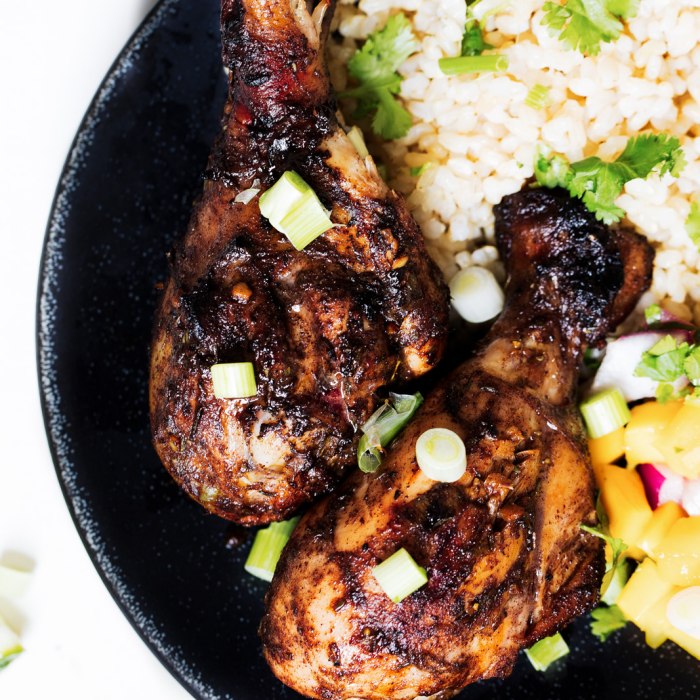
The first time I tasted authentic jerk chicken, I was standing on a street corner in Kingston, Jamaica, watching a pit master tend to a smoking drum of pimento wood. The air was thick with allspice, scotch bonnet, and charred chicken fat. That moment changed how I understood food—not just as sustenance, but as medicine. Jamaican jerk chicken with rice and peas is a dish that has fed generations, and modern nutritional science is finally catching up to what Caribbean cooks have known for centuries. This isn't just a flavor bomb; it's a carefully balanced meal that delivers complete protein, complex carbohydrates, and a cocktail of anti-inflammatory compounds. In this article, we'll break down the macros, vitamins, and health benefits of each component, from the chicken thighs to the coconut-infused rice and the fiery spice rub. You'll learn why this dish deserves a place in your weekly rotation, not just for its taste but for its tangible health perks. Get ready to see jerk chicken in a whole new light.
The Macro Breakdown: Protein, Carbs, and Fats
A typical serving of jerk chicken with rice and peas—one chicken thigh with skin and about a cup of rice—delivers roughly 500 calories, 35 grams of protein, 45 grams of carbohydrates, and 20 grams of fat. That's a macronutrient profile that supports muscle repair, sustained energy, and satiety. The chicken thighs are particularly rich in complete protein, containing all nine essential amino acids. Unlike breast meat, thighs have a higher fat content, which not only keeps the meat juicy but also aids in the absorption of fat-soluble vitamins like A, D, E, and K from the accompanying spices. The rice and peas combo—typically kidney beans or pigeon peas cooked with coconut milk—provides a mix of fast-digesting carbs from the rice and slow-digesting fiber from the legumes. This dual-carb source means you get an immediate energy boost followed by a steady release, making it ideal for post-workout recovery or a busy afternoon. The coconut milk adds medium-chain triglycerides, which are metabolized quickly for energy rather than stored as fat, according to research published in the Journal of Nutrition and Metabolism.
Chicken Thighs: The Unsung Hero of Lean Muscle
Many home cooks reach for chicken breasts when they think of healthy eating, but thighs are a smarter choice for this dish. A 100-gram serving of skinless chicken thigh provides 26 grams of protein and just 10 grams of fat, with a higher concentration of iron and zinc than breast meat. Iron is critical for oxygen transport in the blood, and zinc supports immune function and wound healing. The dark meat also contains more collagen, which can support joint health and skin elasticity. When you marinate thighs in jerk seasoning—a blend of scotch bonnet peppers, allspice, thyme, garlic, and ginger—you're not just adding flavor; you're creating a synergistic health tonic. The capsaicin in scotch bonnets has been shown to boost metabolism by up to 8 percent temporarily, while allspice contains eugenol, a compound with anti-inflammatory properties. A 2019 study in Nutrients found that capsaicin can also reduce appetite, potentially helping with weight management. So that fiery kick isn't just for show—it's actively working in your favor.
Rice and Peas: A Fiber-Rich Caribbean Staple
The 'peas' in rice and peas are actually beans—usually kidney beans or pigeon peas—and they're a nutritional powerhouse. One cup of cooked kidney beans provides 15 grams of fiber, which is about 60 percent of your daily recommended intake. This fiber feeds beneficial gut bacteria, lowers cholesterol, and stabilizes blood sugar. When combined with rice, the beans also complete the amino acid profile, making the dish a source of plant-based complete protein. The rice itself, typically long-grain white or brown, contributes B vitamins, particularly thiamin and niacin, which are essential for energy metabolism. But the real magic is in the coconut milk. A 2017 review in the Journal of the Science of Food and Agriculture highlighted that coconut milk contains lauric acid, a medium-chain fatty acid with antimicrobial and antiviral properties. It also adds a creamy texture without dairy, making the dish naturally lactose-free. In Jamaica, rice and peas is often cooked with coconut milk, scallions, thyme, and a whole scotch bonnet pepper for subtle heat—a technique that infuses the grains with flavor while keeping the pepper intact for those who prefer less spice.
Pro Tip: Balance Heat and Health with a Marinade Taste Test
Here's a pro tip that most recipes won't tell you: always taste your jerk marinade before it touches the chicken. This isn't just about flavor—it's about controlling the capsaicin load. Scotch bonnet peppers vary wildly in heat, from 100,000 to 350,000 Scoville units. If you dump in five peppers without tasting, you could end up with a marinade that's not only unpalatable but also irritating to your stomach lining. Instead, start with one deseeded pepper, blend your marinade, and taste. Adjust with more pepper for heat, brown sugar for sweetness, or lime juice for acidity. This balance matters nutritionally: too much heat can cause gastrointestinal distress, while the right amount stimulates digestion and metabolism. Also, remember that the marinade's salt content should be moderate—excess sodium can negate the heart-healthy benefits of the dish. Aim for a marinade that's savory, slightly sweet, and aromatic, with a heat level that makes you want a second bite, not a glass of water.
Jerk Chicken's Place in Modern Nutrition Trends
Jerk chicken with rice and peas fits perfectly into several contemporary eating patterns, from Mediterranean-style diets to high-protein meal prep. Its emphasis on whole spices, lean protein, and fiber-rich legumes aligns with the principles of the Blue Zones—regions where people live exceptionally long lives. In fact, the dish shares similarities with the Okinawan diet's use of turmeric and ginger, and the Mediterranean diet's focus on legumes and olive oil. The anti-inflammatory properties of the jerk spices—ginger, garlic, and allspice—are well-documented. A 2020 meta-analysis in Critical Reviews in Food Science and Nutrition found that ginger consumption can reduce markers of inflammation like C-reactive protein. Garlic, meanwhile, has been linked to lower blood pressure and improved cholesterol levels. When you combine these spices with the lean protein of chicken thighs and the fiber of beans, you get a meal that supports heart health, immune function, and metabolic balance. It's no wonder that jerk chicken is increasingly appearing on fitness blogs and nutritionist-approved meal plans.
Frequently Asked Questions
Q: Is jerk chicken with rice and peas healthy? A: Yes, it can be very healthy. It provides lean protein, fiber, and anti-inflammatory spices. However, watch portion sizes and sodium from the marinade. Using skinless thighs and brown rice boosts its nutritional profile. Q: Can I make this dish less spicy without losing flavor? A: Absolutely. Remove the seeds and membranes from scotch bonnets, or use just one pepper. You can also add a diced mango or pineapple to the marinade for natural sweetness that balances heat. Q: How does the nutritional content change if I use chicken breast instead of thighs? A: Chicken breast reduces fat and calories but also lowers iron and zinc. Thighs offer more flavor and nutrients, so if you swap, consider adding a side of spinach or beans to compensate for the lost minerals.
Key Takeaways
Jerk chicken with rice and peas is a nutritional juggernaut hiding behind a party of flavors. The chicken thighs deliver complete protein, iron, and zinc, while the rice and beans provide fiber and slow-release energy. The jerk spices—scotch bonnet, allspice, ginger, and garlic—are not just aromatics; they are bioactive compounds that fight inflammation and boost metabolism. To maximize health benefits, taste your marinade to control heat, use skinless thighs, and opt for brown rice when possible. Remember that the coconut milk adds healthy medium-chain triglycerides, but moderation is key. This dish proves that eating well doesn't mean sacrificing joy. So fire up that grill, marinate overnight, and savor a meal that nourishes both body and soul. Your taste buds and your cells will thank you.
Try these recipes on DishIndex
Explore jerk chicken recipes and more