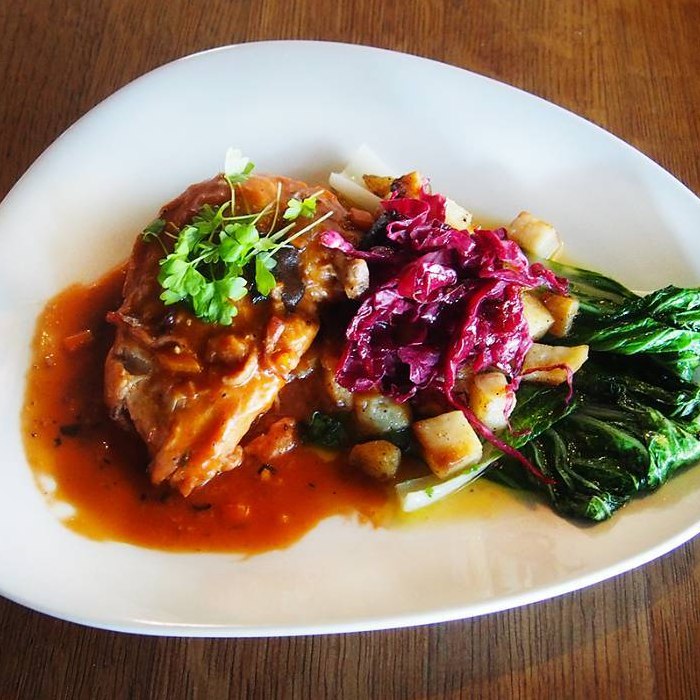
Picture this: it’s 7 PM on a Wednesday, you’re tired, and the last thing you want to do is cook a complicated dinner. But what if you had a freezer full of rich, wine-infused Coq au Vin, ready to reheat in minutes? This classic French dish, traditionally made with rooster, has been transformed into a practical make-ahead meal that can be your secret weapon for busy weeknights. In this article, I’ll show you how to leverage this dish for meal prep, batch cooking, and weekly planning, along with essential storage tips to keep it fresh and delicious. You’ll discover that Coq au Vin isn’t just for special occasions—it’s a realistic, balanced addition to your regular dinner rotation.
Why Coq au Vin is Perfect for Meal Prep
Coq au Vin is inherently a braised dish, which means it’s designed to be cooked low and slow, making it ideal for batch cooking. In fact, the dish tastes even better the next day—a phenomenon known as flavor melding. As it sits, the chicken absorbs the wine and aromatics, while the sauce thickens and deepens. This makes it a perfect candidate for make-ahead meals. You can cook a large batch on a Sunday, portion it into containers, and enjoy it throughout the week. Nutritionally, it’s a balanced meal: chicken provides lean protein, while the sauce can be packed with vegetables like mushrooms and pearl onions. Serve it with whole grains or a side of green beans for a complete, satisfying plate that fits into a realistic diet.
Ingredient Spotlight: Chicken and Wine
The beauty of Coq au Vin lies in its humble ingredients. While traditional recipes call for rooster, you can easily use chicken legs, thighs, and breasts—they all work well. Dark meat (legs and thighs) stays moist during long cooking, while breasts add lean protein but can dry out if overcooked. That’s why a mix is ideal: the dark meat enriches the sauce, and the breast meat offers a lighter option. The wine is the star—Burgundy is traditional, but any dry red wine like Pinot Noir or Côtes du Rhône works. The alcohol cooks off, leaving behind complex flavors. A key step most home cooks get wrong is not browning the chicken properly. Take your time to achieve a deep golden crust—this builds the foundation of flavor.
A Dish Steeped in French Tradition
Coq au Vin originated in the Burgundy region of France, where roosters were prized for their rich flavor. The dish was a practical way to tenderize tough old birds through slow cooking in wine. In the 20th century, it became a symbol of French rustic cuisine, championed by chefs like Julia Child, who introduced it to American audiences. Today, it’s celebrated in bistros and home kitchens alike. The dish reflects the French philosophy of using quality ingredients and time to create something greater than the sum of its parts. For the French, Coq au Vin is more than a recipe—it’s a ritual of hospitality, often served at family gatherings and Sunday suppers.
Pro Tip: Double the Sauce for Meal Prep
The sauce is the soul of Coq au Vin, but when reheating, it can thicken or reduce too much. My expert tip: intentionally make extra sauce. Before you add the chicken, simmer the wine and stock longer to concentrate flavors, or add a bit more liquid than the recipe calls for. When you portion out your meal-prep containers, include extra sauce to keep the chicken moist upon reheating. Another insider trick: freeze the dish in individual portions, but keep the sauce in separate small containers. That way, you can control the amount of sauce when you reheat, preventing a soggy or dry result. This simple strategy ensures your make-ahead Coq au Vin tastes as fresh as the day you made it.
Coq au Vin in a Balanced Diet
In today’s health-conscious world, Coq au Vin might seem indulgent, but it fits perfectly into a balanced diet when portioned mindfully. The dish is rich in protein and can be loaded with vegetables, making it a satisfying, one-pot meal. Pair it with a simple green salad or steamed greens to add fiber and vitamins. The sauce, while flavorful, can be skimmed of excess fat if you refrigerate it overnight and remove the solidified layer—a great meal prep trick. Additionally, this dish aligns with the current trend of slow cooking and nose-to-tail eating, using affordable cuts of chicken. It’s a sustainable choice that delivers gourmet taste without breaking the bank.
Frequently Asked Questions
Q: Can I freeze Coq au Vin? A: Yes, Coq au Vin freezes beautifully. Cool completely, transfer to airtight containers, and freeze for up to 3 months. Thaw overnight in the fridge for best results. Q: What wine should I use? A: Use a dry red wine like Pinot Noir, Burgundy, or Côtes du Rhône. Avoid sweet wines. If you don't drink alcohol, you can substitute with red grape juice and a splash of vinegar. Q: How long does it last in the fridge? A: Properly stored in an airtight container, Coq au Vin keeps for 4-5 days in the refrigerator. The flavors continue to develop, so it often tastes better on day two.
Key Takeaways
Coq au Vin is a versatile, make-ahead dish that can transform your weekly meal prep. By batch cooking on the weekend, you can enjoy restaurant-quality dinners with minimal effort. Remember to use a mix of chicken cuts for the best texture, brown the meat thoroughly for deep flavor, and make extra sauce to keep reheated portions moist. Freeze in individual portions for quick meals, and always pair it with a side of vegetables to round out your plate. Embrace the tradition of slow cooking—it’s not only therapeutic but also practical. With these strategies, you’ll wonder why you ever thought Coq au Vin was only for special occasions.
Try these recipes on DishIndex
Explore Coq au Vin recipes and more