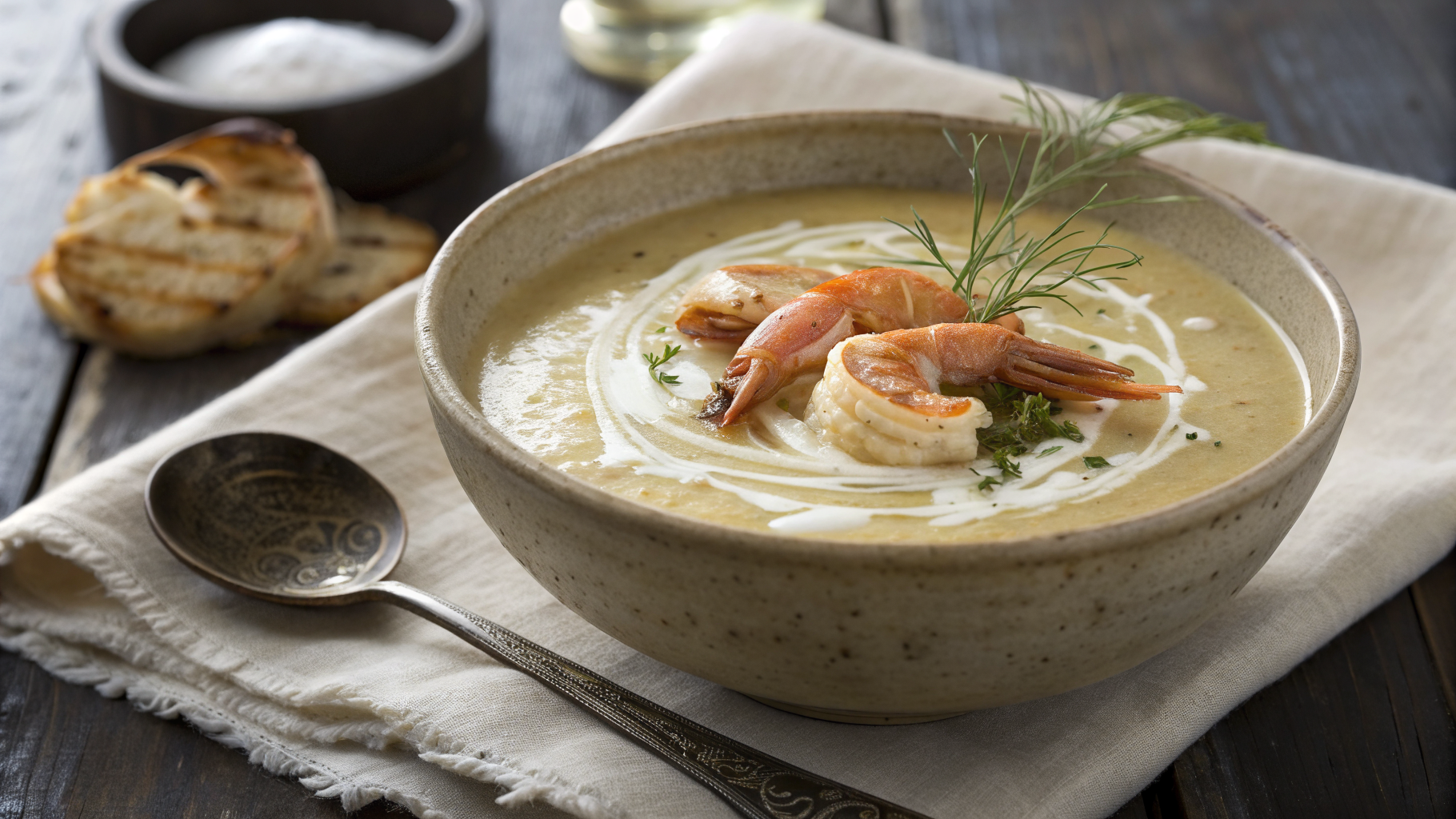
Imagine the scent of the sea mingling with the sweet anise of fennel, the warmth of toasted spices, and the rich aroma of shellfish caramelizing in a hot pan. That's the promise of a true prawn and fennel bisque—a dish that captures the essence of coastal France in a bowl. But behind its silky elegance lies a series of precise techniques that separate a good bisque from a transcendent one. Too often, home cooks end up with a gritty, bland, or overly thick soup, missing the mark on texture and depth. The secret lies in understanding the science of emulsification, the art of extracting flavor from prawn shells, and the balance of volatile compounds in fennel. In this article, we'll dive deep into the chef-level tips and culinary science that will elevate your bisque from ordinary to extraordinary. You'll learn how to avoid common pitfalls, from bitter shells to curdled cream, and discover the small adjustments that yield a restaurant-quality result. By the end, you'll be equipped to craft a bisque that's creamy yet light, with tender prawns and a lingering herbal depth—a dish worthy of any special occasion.
The Science of Shellfish Flavor Extraction
The soul of a prawn bisque lies in the shells. Those discarded carapaces are packed with glutamate, the amino acid responsible for umami, and astaxanthin, the pigment that gives prawns their red hue. To extract maximum flavor, you must first roast the shells. When you sauté them in olive oil over high heat, the Maillard reaction occurs: amino acids and reducing sugars react to create hundreds of new flavor compounds, deepening the bisque's complexity. But beware: overheating can cause bitterness. The ideal temperature is around 180°C (350°F)—hot enough to brown but not burn. Chef Heston Blumenthal famously advocates for pressing the shells to release every drop of juices, a technique that home cooks can replicate by using a sturdy spatula. After deglazing with dry white wine, the alcohol dissolves flavor compounds and aids in their release. Simmering gently for 30 minutes allows the flavors to meld without extracting harsh tannins from the shells. Finally, straining through a fine-mesh sieve is crucial; any lingering grit will ruin the silky texture. This meticulous process transforms humble shells into a rich, aromatic broth that forms the backbone of your bisque.
Fennel: The Aromatic Backbone
Fennel is the unsung hero of this bisque, providing a subtle anise-like sweetness that cuts through the richness of the prawns. But fennel can be tricky: overuse leads to a medicinal flavor, while underuse leaves the bisque flat. The key is to sweat the fennel slowly in olive oil until translucent, not browned. This gentle cooking releases its volatile oils—chiefly anethole, the compound responsible for its licorice aroma—without creating bitter notes. Interestingly, anethole is also found in star anise and is known to enhance the perception of sweetness. When combined with the natural sugars of carrots and onions, fennel creates a harmonious base. Chef-level tip: reserve some fennel fronds for garnish; their fresh, delicate flavor contrasts beautifully with the rich soup. Also, consider adding a pinch of fennel pollen at the end—it's a prized spice in Italian cuisine that intensifies the anise flavor without adding bulk. For a deeper layer, toast fennel seeds and grind them into the bisque; the heat activates their oils, adding a warm, earthy note that lingers on the palate.
The French Connection: Bisque as a Coastal Tradition
Bisque is a quintessential French soup, traditionally associated with the coastal regions of Brittany and Normandy, where shellfish abound. The word 'bisque' may derive from 'biscuit,' referring to the twice-cooked method, or from the Bay of Biscay. Originally, bisques were made with crustacean purée thickened with rice, but modern versions often use cream for a velvety finish. In the 17th century, bisque was a status symbol, served in aristocratic households. Today, it remains a staple of French seafood cuisine, celebrated for its luxurious texture. The addition of fennel reflects the Mediterranean influence, where the bulb grows wild along the coast. In Provence, fennel is a common companion to seafood, as in the classic bouillabaisse. This bisque, therefore, is a marriage of Atlantic shellfish and Mediterranean aromatics—a testament to France's diverse culinary heritage. Understanding this history adds depth to your cooking; you're not just making soup, you're participating in a centuries-old tradition that honors the sea's bounty.
Pro Tip: The Emulsification Secret for a Silky Bisque
Many home cooks struggle to achieve a smooth, stable bisque without it splitting. The secret lies in emulsification—the process of binding fat and liquid. When you add cold butter or cream to a hot soup, the fat can separate, creating a greasy texture. Instead, temper the cream: slowly ladle hot soup into the cream, whisking constantly, then return the mixture to the pot. This gradual temperature equalization prevents curdling. Even better, use an immersion blender to emulsify the soup directly in the pot; the high shear force breaks fat into tiny droplets that remain suspended. For an ultra-silky texture, strain the bisque through a fine-mesh sieve after blending. Another chef trick: add a small amount of cooked rice when blending—the starch acts as a natural thickener and stabilizer. Avoid boiling after adding cream; keep the bisque at a gentle simmer. Finally, finish with a drizzle of cold butter or a swirl of crème fraîche just before serving. This not only enhances flavor but also adds a glossy sheen, signaling a perfectly emulsified soup.
Modern Trends: Sustainability and Health
In today's culinary landscape, sustainability and health are paramount. Prawn bisque, with its rich flavor, can be part of a sustainable diet if you choose prawns certified by organizations like the Marine Stewardship Council. Using the entire prawn—shells and all—minimizes waste and maximizes nutrition. The shells are rich in glucosamine and calcium, though these aren't extracted in a home kitchen, the zero-waste approach resonates with eco-conscious cooks. Nutritionally, bisque is a good source of protein and omega-3 fatty acids from the prawns, but it can be high in calories due to cream. To lighten it, substitute half the cream with puréed cauliflower or use evaporated milk. The fennel adds fiber and vitamin C. Moreover, the bisque fits into the trend of 'root-to-leaf' cooking, where every part of the vegetable is used. By embracing these practices, you not only create a delicious dish but also align with modern values of health and environmental responsibility.
Frequently Asked Questions
Q: Can I make prawn bisque ahead of time? A: Yes, the bisque can be made up to two days in advance and refrigerated. Reheat gently over low heat, stirring occasionally, but avoid boiling to prevent splitting. Add the cooked prawns just before serving to keep them tender. Q: How do I prevent my bisque from tasting bitter? A: Bitterness often comes from burnt shells or overcooked fennel. Sauté shells only until they turn pink and fragrant, and sweat fennel without browning. Also, avoid using the dark green fennel stalks, which can be bitter. Q: Can I use frozen prawns? A: Absolutely. Thaw them overnight in the refrigerator and pat dry. Save the shells from the thawed prawns for the broth—they still contain plenty of flavor. Fresh prawns are ideal, but frozen are a convenient and sustainable alternative.
Key Takeaways
To master the prawn and fennel bisque, start by roasting the shells to develop deep umami, but avoid burning them. Sweat the fennel gently to release its sweetness without bitterness. Emulsify the soup by tempering the cream and blending thoroughly for a silky texture. Remember to strain for a flawless finish. Use sustainable prawns and consider lighter alternatives to cream for a healthier version. Finally, serve immediately with a garnish of fennel fronds and a drizzle of olive oil. These techniques will elevate your bisque to restaurant quality, impressing guests and satisfying your own culinary pride.
Try these recipes on DishIndex
Explore prawn bisque recipes and more