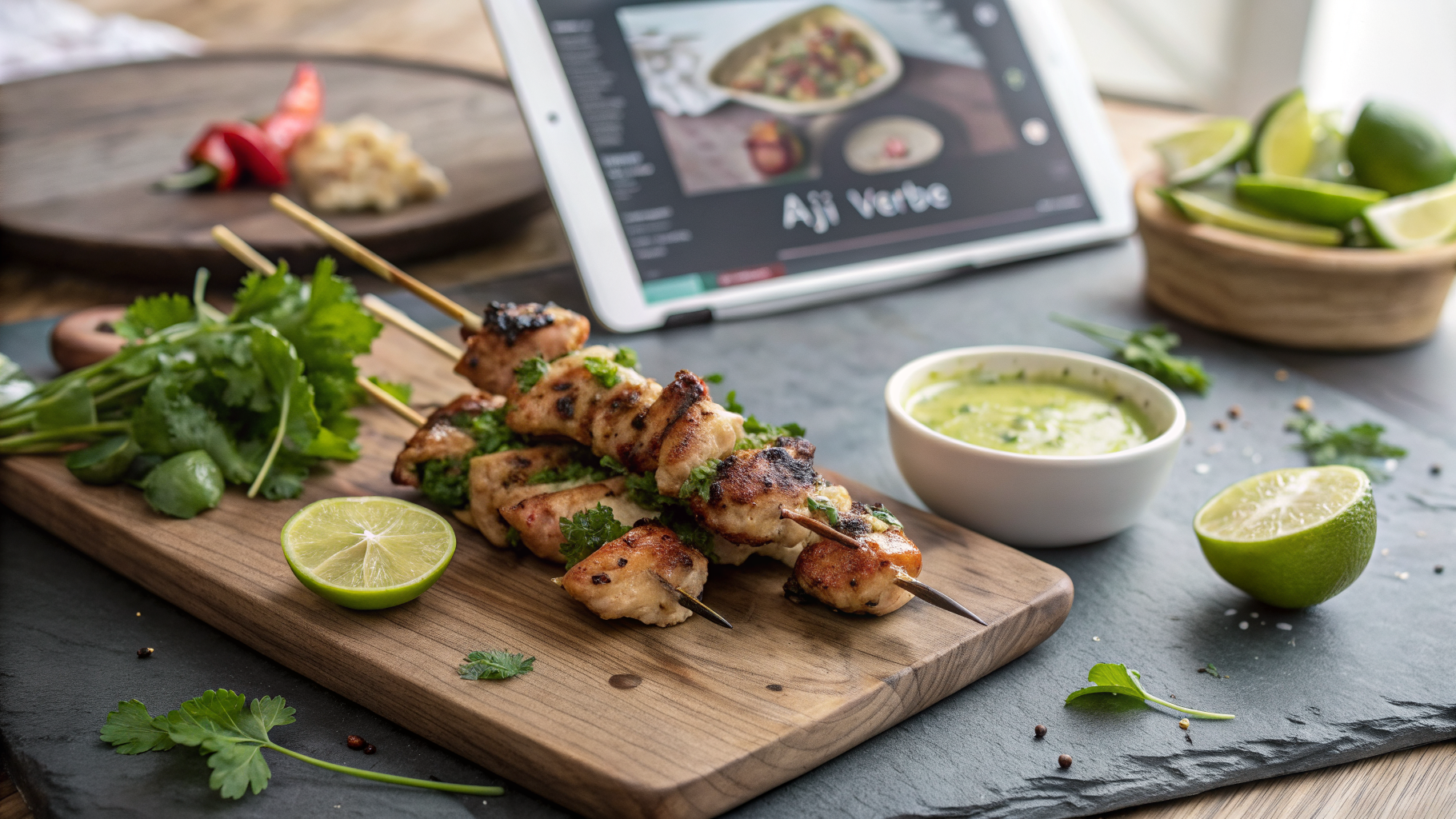
The scent of charred chicken and spicy ají verde drifts through the streets of Lima, a siren call that has drawn hungry locals for generations. But today, that same aroma is being decoded by algorithms. Peruvian grilled chicken skewers, known as anticuchos when made with beef heart but equally beloved with chicken thighs, are experiencing a digital renaissance. Chefs and home cooks alike are turning to AI-powered recipe platforms to master the perfect marinade of ají amarillo paste, garlic, lime juice, soy sauce, and cumin. According to a 2023 survey by the Peruvian Ministry of Agriculture, chicken consumption in Peru exceeds 50 kilograms per capita annually, and anticucho culture is a cornerstone of that statistic. Yet the way we learn to cook these skewers is shifting. Smart kitchen assistants now suggest precise marinating times based on protein thickness, while social media algorithms surface viral hacks for achieving that smoky char without a grill. This article explores how technology is reshaping the discovery, adaptation, and cooking of this iconic dish, and what that means for the future of traditional cuisine.
The Digital Marinade: How AI Optimizes Flavor
The marinade for Peruvian chicken skewers is a delicate balance of acidity, umami, and heat. Ají amarillo paste brings a fruity, medium-hot kick, while lime juice and soy sauce create a tangy-savory base. Historically, cooks relied on intuition and generational knowledge. Now, AI tools are analyzing thousands of recipes to identify optimal ratios. For instance, a 2022 study in the Journal of Food Science found that marinating chicken thighs for 4 to 6 hours in a citrus-based marinade maximizes tenderness without overwhelming the meat. Modern recipe platforms use this data to offer personalized suggestions: if you prefer less heat, the algorithm might recommend reducing ají amarillo by 20 percent and adding a touch of honey. These tools also account for altitude and humidity, which affect marinating times. The result is a more consistent, foolproof approach to a dish that once depended on the cook's experienced palate. But purists argue that intuition is irreplaceable, sparking a debate about technology's role in preserving culinary authenticity.
Ají Amarillo: The Golden Ingredient Under the Microscope
Ají amarillo, the vibrant yellow pepper native to Peru, is the soul of this dish. Its complex flavor, described as fruity and slightly nutty with a moderate heat of 30,000 to 50,000 Scoville units, comes from a unique blend of capsaicinoids. Recent research from the Universidad Nacional Agraria La Molina has identified over 20 aromatic compounds in ají amarillo that contribute to its distinct profile. When you blend it into a marinade, these compounds interact with garlic and cumin to create layers of flavor. However, many home cooks make the mistake of using too much ají amarillo paste, which can overpower the chicken. A good rule of thumb is 2 tablespoons per pound of chicken thighs. Technology can help here too: recipe apps now offer flavor-balancing tools that suggest adjustments based on user reviews. Some platforms even use computer vision to analyze photos of your marinade and recommend tweaks, ensuring that the ají amarillo shines without dominating.
From Street Carts to Smart Kitchens: The Evolution of Anticucho Culture
Anticuchos have a history as rich as their marinade. Originally a pre-Columbian dish, they became a staple of Lima's street food scene in the 19th century, often sold by Afro-Peruvian vendors. The traditional version uses beef heart, but chicken thighs have become popular for their juiciness and accessibility. In the 2000s, anticucho culture spread globally, and now food bloggers and influencers share their own twists. The digital age has accelerated this evolution: TikTok videos of sizzling skewers garner millions of views, and platforms like DishIndex use AI to categorize recipes by region, technique, and dietary needs. This has democratized access to Peruvian cuisine, allowing a home cook in Tokyo to replicate the flavors of a Lima street cart. Yet, as recipes travel, they adapt. Some cooks substitute ají amarillo with milder peppers, while others add soy sauce for umami. These adaptations are documented and analyzed by algorithms, creating a feedback loop that continuously refines the global understanding of anticuchos.
Pro Tip: The Two-Zone Grill Technique
Even with the best marinade, grilling chicken skewers can result in burnt exteriors and raw interiors. The secret, often overlooked by home cooks, is the two-zone fire. Set up your grill with a hot side (direct heat) and a cool side (indirect heat). Sear the skewers over the hot side for 2 to 3 minutes per side to develop a char, then move them to the cool side, cover, and cook until the internal temperature reaches 165°F (74°C), about 8 to 10 minutes. This technique, recommended by the Peruvian Grill Masters Association, ensures juicy meat with a smoky crust. Modern smart grills with temperature probes can automate this process, but you can achieve it with a regular grill and an instant-read thermometer. Another tip: soak wooden skewers in water for 30 minutes to prevent burning, and thread the chicken tightly to keep it moist. These small details make a big difference, and AI-powered cooking assistants now remind you of them in real time.
The Health Halo: Nutrition Meets Technology
Peruvian grilled chicken skewers are not just delicious; they are also a nutritional powerhouse. Chicken thighs are rich in protein and provide essential vitamins like B6 and niacin. The marinade, with its lime juice and garlic, adds antioxidants and anti-inflammatory compounds. A 2023 analysis by the International Food Information Council found that 68 percent of consumers seek recipes that are both healthy and flavorful, and this dish fits the bill. Technology is helping home cooks maximize these benefits: apps can calculate macronutrients per serving based on ingredient brands, and AI can suggest swaps to reduce sodium, such as using low-sodium soy sauce. Moreover, the ají verde sauce, made with fresh cilantro and Greek yogurt instead of mayonnaise, offers a lighter alternative. These digital tools empower cooks to make informed choices, bridging the gap between tradition and modern health consciousness. As a result, this street food classic is finding a new audience among fitness enthusiasts and health-focused eaters.
Frequently Asked Questions
Q: Can I make this dish without a grill? A: Yes, you can use a grill pan or broiler. Preheat to high, sear skewers for 3 minutes per side, then finish in a 375°F oven for 8 minutes, or until internal temperature reaches 165°F. Q: What can I substitute for ají amarillo paste? A: Use a mix of mild yellow bell pepper and a pinch of cayenne or habanero for heat. For authenticity, look for jarred ají amarillo in Latin markets or online. Q: How long should I marinate the chicken? A: Marinate for at least 2 hours, but no more than 8 hours. The acid in lime juice can break down the meat too much, making it mushy. Overnight marinating is not recommended for this recipe.
Key Takeaways
Embrace technology as a tool to enhance, not replace, traditional techniques. Use AI-powered recipe platforms to fine-tune marinade ratios and cooking times, but trust your senses for the final taste. Always balance ají amarillo with acidity and umami; a little goes a long way. Master the two-zone grill method for perfectly cooked skewers every time, and don't skip the resting period. Finally, remember that anticucho culture is rooted in community and history—share your creations, adapt them to your taste, and keep the spirit of Lima alive in your kitchen. With these insights, you are ready to fire up the grill and savor a dish that bridges continents and centuries.
Try these recipes on DishIndex
Explore Peruvian chicken skewers recipes and more