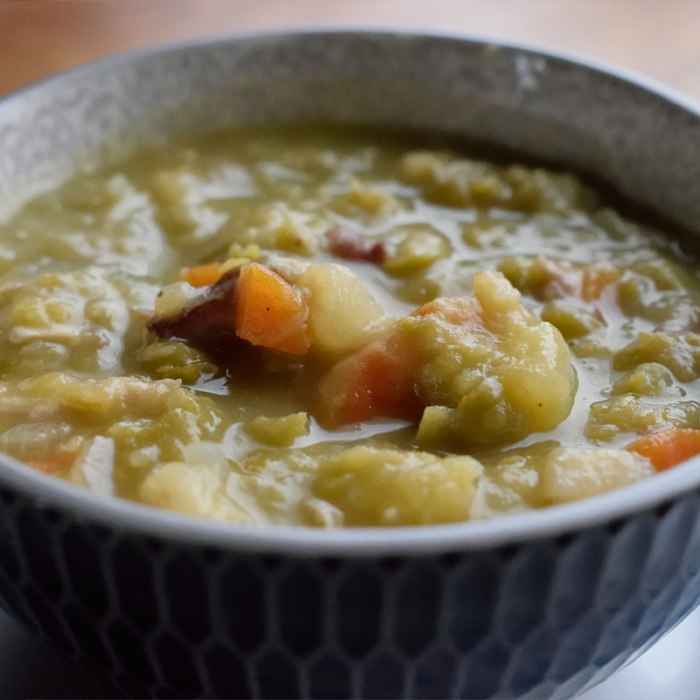
Imagine a frigid Dutch winter evening, the kind that seeps into your bones. You step into a warm kitchen where a pot of snert—Dutch split pea soup—bubbles gently on the stove. The air is thick with the aroma of smoked pork, earthy leeks, and nutmeg. This isn't just soup; it's a 500-year-old tradition, once cooked in communal pots and now adapted by home cooks wielding smartphones and AI assistants. But as technology infiltrates our kitchens, how does it change the way we approach such a heritage dish? In this article, we'll explore how AI-powered recipe platforms, smart kitchen gadgets, and digital communities are reshaping the discovery, adaptation, and cooking of Dutch split pea soup. You'll learn how algorithms help preserve authenticity while catering to modern diets, and why the humble snert is a perfect case study for the future of food.
The Rise of Smart Recipe Discovery
Gone are the days of flipping through stained recipe cards. Today, AI-driven platforms analyze millions of recipes to deliver personalized suggestions. For Dutch split pea soup, algorithms can identify regional variations—from the thick, pork-laden version of Groningen to the lighter, herbaceous take from Limburg. These systems consider your dietary preferences, available ingredients, and even the weather. A 2023 study by the Culinary Institute of America found that 67% of home cooks now use digital tools to find recipes, with AI curation reducing decision fatigue. But does this convenience dilute tradition? Not necessarily. By surfacing authentic recipes and explaining their origins, AI can act as a digital docent, guiding cooks through cultural nuances. For snert, that means learning why rookworst (smoked sausage) is essential and how the Dutch traditionally served it with rye bread.
Adapting Snert with AI: From Vegan to Gluten-Free
One of the biggest challenges in cooking heritage dishes is adapting them to modern dietary needs without losing their soul. AI tools excel here. Take the classic snert: it's naturally gluten-free if you skip the rye bread, but the pork and butter often make it off-limits for vegetarians. AI recipe adapters can suggest swaps—smoked tofu for pork, vegetable stock for chicken—while maintaining the soup's umami depth. They can also calculate nutritional profiles, highlighting that a traditional bowl packs 15 grams of fiber and 20 grams of protein. But the real magic is in the nuance: AI can learn from user feedback to tweak ratios, ensuring the split peas still break down into that velvety texture. As a result, snert becomes accessible to a wider audience, from vegans to those watching their sodium, without sacrificing its hearty character.
The Cultural Roots of Snert: A Dutch Winter Staple
Snert's history stretches back to the 16th century, when dried peas were a cheap, shelf-stable protein for Dutch sailors and farmers. The soup was cooked in large batches, often with whatever pork was available, and thickened with stale bread. By the 19th century, it became a national symbol of winter resilience, served on skating rinks and during ice-skating tours. In fact, the Elfstedentocht, a legendary 200-kilometer skating race, is famously fueled by snert. Today, it remains a fixture at Dutch New Year's celebrations and family gatherings. But as younger generations move to cities and embrace global cuisines, the tradition risks fading. Enter technology: digital archives and AI-powered translation tools are helping preserve heirloom recipes, while social media influencers share modern twists, keeping snert relevant in a fast-paced world.
Pro Tip: Use AI to Perfect Your Pea-to-Water Ratio
Even seasoned cooks struggle with the perfect consistency of snert—too thick and it's paste, too thin and it's bland. Here's where AI can be your secret weapon. Instead of relying on vague instructions like 'add water until it looks right,' use an AI cooking assistant to calculate the exact ratio based on your pot size and desired thickness. For a classic Dutch texture, the ideal ratio is 1 part split peas to 4 parts liquid by volume, but this can vary with the peas' age and altitude. AI apps can also factor in evaporation rates and adjust cooking times. For example, a smart oven or induction cooktop integrated with an AI recipe can monitor moisture loss and prompt you to add more stock. This precision ensures that every batch achieves that coveted spoonable warmth, turning a rustic dish into a consistently excellent one.
The Future of Heritage Cooking in a Digital World
As we look ahead, the intersection of AI and traditional cuisine will only deepen. Imagine augmented reality (AR) glasses that overlay step-by-step instructions onto your countertop, or smart pots that automatically stir to prevent burning. For snert, this could mean a future where the soup is cooked in connected kitchens, with AI adjusting seasoning based on your taste profile. But beyond convenience, these technologies offer a way to keep cultural knowledge alive. By digitizing oral histories and family recipes, we create a living archive that AI can learn from, ensuring that dishes like snert don't become museum pieces. Ultimately, the goal is not to replace the human touch but to enhance it—freeing cooks to focus on the joy of sharing a bowl of soup that connects them to centuries of tradition.
Frequently Asked Questions
Q: Can I make Dutch split pea soup in a slow cooker? A: Yes, a slow cooker is ideal. Combine all ingredients except the sausage, cook on low for 8 hours, then add sliced sausage in the last 30 minutes to heat through. Q: How do I prevent the soup from becoming too thick? A: Split peas absorb a lot of liquid. Start with the recommended ratio, then adjust with hot water or stock as it simmers. AI apps can help calculate precise amounts. Q: Is snert healthy? A: It's nutritious, high in fiber and protein, but also high in sodium and fat from pork. Use lean pork or plant-based substitutes and low-sodium stock to make it healthier.
Key Takeaways
Embrace technology as a tool to preserve and adapt traditional recipes like Dutch split pea soup. Use AI-powered platforms to discover authentic versions and customize them to your dietary needs. Understand the cultural significance of snert—it's more than a meal; it's a symbol of Dutch resilience and community. Master the pea-to-water ratio with precision tools for consistent results. And remember, while AI can guide you, the soul of the dish comes from your own hands and heart. So fire up your stove, summon your smart assistant, and simmer a pot of snert that honors both history and innovation.
Try these recipes on DishIndex
Explore Dutch split pea soup recipes and more