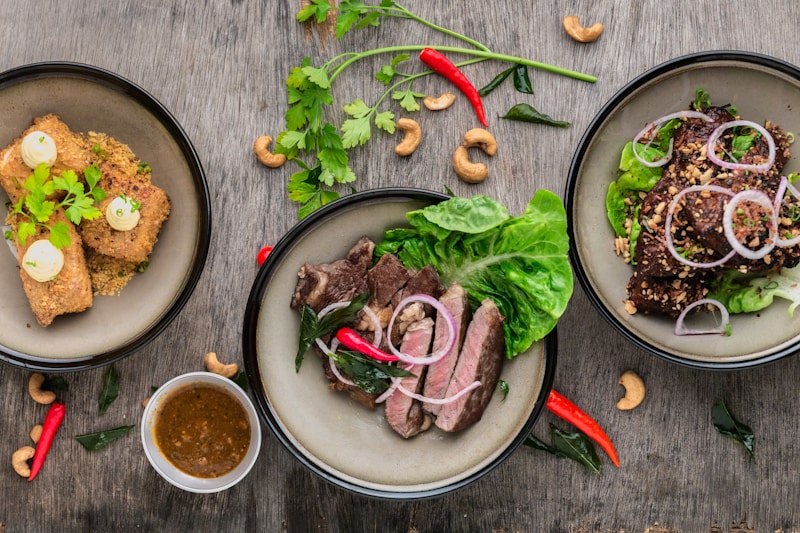
Imagine a lazy Sunday in Provence: the air thick with the scent of wild thyme, rosemary, and sun-ripened tomatoes. As the afternoon stretches on, a heavy pot simmers on the stove, filling the kitchen with a perfume that promises something extraordinary. This is not just another beef stew. It is a celebration of the south of France, where humble ingredients are transformed into a dish that feels both rustic and refined. Provençal braised beef with ratatouille is a love letter to slow cooking and seasonal abundance. But beyond its romance, this dish holds a secret: it is a blueprint for sustainable eating. By using tough, flavorful cuts like chuck, honoring whatever vegetables are at their peak, and employing energy-efficient techniques, you can create a meal that is as kind to the planet as it is to your palate. In this article, we will explore how this classic dish can be adapted for a more eco-conscious kitchen, from sourcing local beef to reducing food waste, and why it deserves a place in your regular rotation. Get ready to discover a new way to cook with purpose and pleasure.
The Sustainability of Slow-Cooked Beef
Beef often gets a bad rap for its environmental impact, and rightly so when it comes from industrial feedlots. But not all beef is created equal. Choosing grass-fed, locally raised chuck from a regenerative farm can dramatically reduce the carbon footprint of your meal. Regenerative grazing practices sequester carbon in the soil, improve biodiversity, and require fewer inputs like synthetic fertilizers. Moreover, using the whole animal is a cornerstone of sustainability. Chuck, a tough cut from the shoulder, is often overlooked, yet it is perfect for braising. By embracing these less popular cuts, you support nose-to-tail eating and reduce waste. In France, this tradition is alive and well: butchers proudly display cuts like paleron (chuck) and joue (cheek), knowing that slow cooking unlocks their potential. When you braise chuck low and slow, you are not just making a delicious meal; you are part of a movement that values quality over quantity and respects the resources that went into producing it. So the next time you shop for beef, look for local, pasture-raised options and don't shy away from the tougher cuts.
Seasonal Vegetables: The Heart of Ratatouille
Ratatouille is the quintessential summer dish from Nice, a colorful medley of zucchini, eggplant, bell peppers, and tomatoes. But its true magic lies in seasonality. In Provence, cooks wait all year for the moment when each vegetable reaches its peak, then combine them in a harmonious stew. This approach is inherently sustainable: seasonal produce requires less energy to grow and transport, and it tastes infinitely better. When you make ratatouille in the dead of winter with hothouse vegetables, you miss the point. Instead, use what is abundant in your region at the moment. Perhaps it's late-summer tomatoes and zucchini, or early autumn peppers and eggplant. The recipe is flexible. Moreover, ratatouille is a brilliant way to use up imperfect vegetables that might otherwise be thrown away. Wilted greens, slightly soft eggplant, or overripe tomatoes all find a home here. By cooking with the seasons and embracing imperfection, you reduce food waste and support local farmers. So head to your farmers market, see what looks best, and let that guide your pot.
The Cultural Roots of a Provençal Classic
The marriage of braised beef and ratatouille may seem modern, but it has deep roots in French culinary history. In Provence, daubes are iconic: meat braised slowly with wine, herbs, and vegetables. The word daube comes from the Provençal daubo, a pot used for slow cooking. Traditionally, daube was made with lamb or beef, cooked for hours in a sealed pot, sometimes buried in the ground with hot stones. Meanwhile, ratatouille emerged as a humble peasant dish in Nice, using the summer bounty of the Mediterranean. It wasn't until the 20th century that ratatouille gained international fame, thanks in part to Auguste Escoffier. But the combination of braised beef and ratatouille is a natural evolution: the rich, savory juices of the meat soak into the vegetables, creating a symbiotic relationship. This dish represents the essence of Provençal cooking: resourceful, seasonal, and deeply flavorful. It tells a story of a region where food is not just sustenance but a way of life, celebrated in festivals and family gatherings. By cooking this dish, you are connecting to centuries of tradition.
Pro Tip: Layer Your Vegetables for Maximum Flavor
Most home cooks throw all the ratatouille vegetables into the pot at once, but that's a mistake. Each vegetable has a different cooking time and water content. To achieve the ideal texture and flavor, roast or sauté them separately before combining. Start with eggplant, which acts like a sponge and benefits from a quick sear to prevent sogginess. Then zucchini, which releases water quickly. Peppers and onions can be cooked together until sweet and soft. Finally, tomatoes are added last, simmered until they break down into a sauce. This layering technique, known as cooking à la niçoise, ensures that each vegetable retains its character while melding into a cohesive dish. It may take an extra 15 minutes, but the result is a ratatouille with depth and complexity that a one-pot dump cannot achieve. Plus, you can do this step ahead of time and refrigerate the vegetables, then combine with the braised beef just before serving. This not only improves flavor but also allows you to use up vegetables that are slightly past their prime, reducing waste.
Eco-Friendly Cooking Techniques
The way you cook can be as important as what you cook. Braising is inherently energy-efficient: once the pot is simmering, you can transfer it to a low oven or even a slow cooker, using less energy than stovetop cooking. But you can go further. Use a heavy Dutch oven with a tight-fitting lid to trap heat and moisture, allowing you to lower the temperature and shorten cooking time. If you have an induction cooktop, it's more energy-efficient than gas. And consider the source of your heat: in summer, use a solar oven if you have one, or cook in the cool of the evening to avoid heating your kitchen. Another tip: don't preheat your oven unless necessary. For this dish, you can start the braise on the stovetop and then finish in the oven, but you can also do the entire thing on a low stovetop flame. Finally, embrace residual heat: after turning off the oven, leave the pot inside for another 30 minutes to continue cooking gently. These small adjustments reduce your carbon footprint without sacrificing flavor. Sustainable cooking is not about deprivation; it's about mindfulness.
Frequently Asked Questions
Q: Can I make this dish ahead of time? A: Absolutely. In fact, it tastes even better the next day as the flavors meld. Cool it quickly, refrigerate for up to three days, and reheat gently on the stovetop. Q: What if I don't have red wine? A: You can substitute with beef broth plus a tablespoon of red wine vinegar, or use a dark beer or cider. The key is to add acidity and depth. Q: Is this dish gluten-free? A: Yes, as long as your bacon and wine are gluten-free. The recipe uses no flour; the sauce thickens naturally from the collagen in the beef.
Key Takeaways
Embrace tough cuts like chuck for braising: they are flavorful, economical, and sustainable. Cook with the seasons: let the market guide your ratatouille, and don't be afraid to use imperfect produce. Layer your vegetables: cooking them separately before combining builds a more complex dish and prevents waste. Choose local, pasture-raised beef when possible: it supports regenerative agriculture and reduces your carbon footprint. Adopt energy-efficient techniques: use a heavy pot, low heat, and residual heat to save energy. By applying these principles, you can enjoy a Provençal braised beef with ratatouille that is not only delicious but also aligns with your values. So gather your ingredients, pour a glass of wine, and let the aromas of Provence fill your kitchen. Bon appétit, and bon voyage to a more sustainable table.
Try these recipes on DishIndex
Explore Provençal beef recipes and more