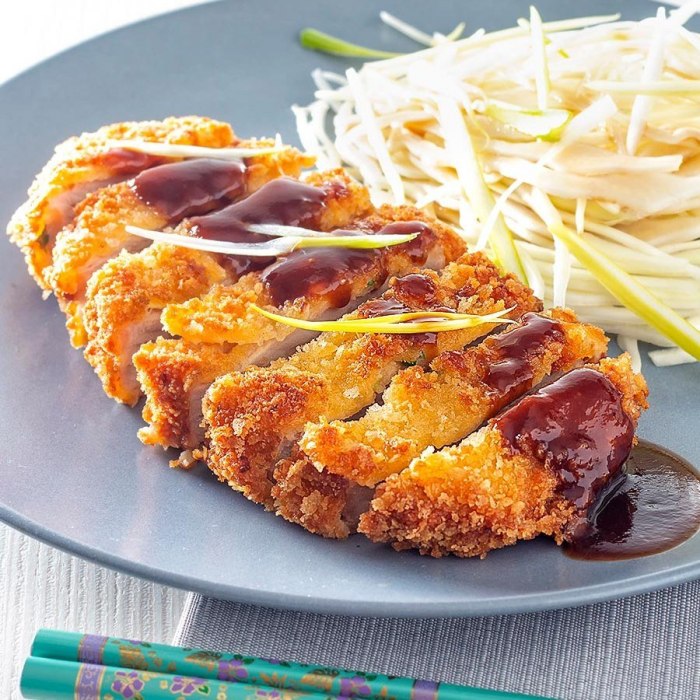
The first time you bite into a properly made tonkatsu, the sound alone tells you everything: a sharp, satisfying crunch that gives way to tender, juicy pork. This Japanese classic, which translates to 'pork cutlet,' has been a staple since the late 19th century, when Western-style cooking began influencing Japanese cuisine. But here's the thing: making it fresh on a Tuesday night after work feels daunting. The breading, the frying, the cleanup. Yet with a few smart meal prep strategies, you can enjoy that same shatteringly crisp cutlet any night of the week. In this article, we'll show you how to batch bread and freeze tonkatsu for months, reheat it so it tastes freshly fried, and pair it with sides that keep your plate balanced. We'll also share a Parmesan-spiked breading trick that adds umami depth. By the end, you'll have a realistic plan for turning this restaurant favorite into a stress-free weeknight staple.
Why Tonkatsu Deserves a Spot in Your Rotation
Tonkatsu is more than just fried pork. It's a study in texture and balance: the panko crust is lighter and crispier than standard breadcrumbs because panko is made from crustless bread processed into coarse flakes, creating airy pockets that fry into a delicate shatter. The pork itself is typically a thick cut of loin or fillet, pounded to an even thickness to ensure uniform cooking. Nutritionally, a 100-gram serving of tonkatsu provides about 25 grams of protein, making it a satisfying centerpiece. When paired with shredded cabbage and a tangy sauce, it hits sweet, savory, and fresh notes. Plus, it's endlessly adaptable: you can serve it over rice, in a sandwich, or sliced atop a salad. For meal prep, the key is to bread in bulk and freeze before frying. That way, you cook only what you need, and the rest waits patiently. This approach turns a special-occasion dish into a realistic part of your weekly planning.
The Parmesan Twist: Elevating the Crust
Most tonkatsu recipes call for flour, egg, and panko. But adding finely grated Parmesan to the panko mixture is a game-changer. Parmesan brings a nutty, savory umami that complements the pork without overpowering the Japanese flavors. Use a microplane to grate the cheese so it blends seamlessly with the panko. The ratio: for every cup of panko, add two tablespoons of Parmesan. This small addition also helps the crust brown more evenly, thanks to the cheese's fats and proteins. When you fry, the Parmesan melts slightly, creating an extra-crispy shell. But be careful: Parmesan burns faster than panko alone, so keep the oil at 350°F (175°C) and fry for about 3 minutes per side. If you're baking instead of frying, the Parmesan still adds a golden hue and depth. This twist is especially good for meal prep because the cheese helps the crust stay crisp during reheating.
From Ginza to Your Kitchen: A Brief History
Tonkatsu was born in the late 1800s in Tokyo's Ginza district, a time when Japan was rapidly modernizing and adopting Western foods. The dish is a Japanese interpretation of the European breaded cutlet, but it evolved into something distinctly local. Originally called 'pork cutlet' (pōkukatsuretsu), it was shortened to 'tonkatsu' in the 1930s. After World War II, tonkatsu became a symbol of prosperity and Western-style dining, often served in dedicated restaurants called tonkatsu-ya. Today, it's a beloved comfort food, with regional variations like Nagoya's miso katsu, where a thick red miso sauce replaces the traditional Worcestershire-based tonkatsu sauce. In Osaka, you'll find kushikatsu, skewered and fried cutlets. The dish's journey from elite Western import to everyday staple mirrors Japan's broader culinary history, where foreign influences are absorbed, refined, and made entirely their own.
Pro Tip: Freeze Before You Fry for Weeknight Ease
The single best meal prep trick for tonkatsu is to freeze the breaded cutlets before frying. Here's why: when you freeze a breaded cutlet, the coating sets firmly, so it adheres better during frying and doesn't fall off. More importantly, you can fry them directly from frozen—no thawing needed. Just add an extra minute or two per side. To do this, place breaded cutlets on a parchment-lined baking sheet and freeze until solid, about 2 hours. Then transfer to a zip-top bag, pressing out air. They'll keep for up to 3 months. When ready to cook, heat oil to 350°F and fry frozen cutlets for 4-5 minutes per side until golden and cooked through (internal temperature 145°F). This method yields a crust that's just as crispy as fresh. It also means you can bread a large batch on Sunday and enjoy tonkatsu any night without the mess.
Tonkatsu in a Balanced Diet: Facts and Flexibility
Fried food often gets a bad rap, but tonkatsu can absolutely fit into a balanced diet. The key is portion size and what you serve alongside. A 4-ounce (113-gram) serving of tonkatsu has roughly 300 calories, 20 grams of protein, and 18 grams of fat. Pair it with a generous pile of shredded cabbage (rich in vitamin C and fiber), a scoop of steamed rice, and a drizzle of tonkatsu sauce. The cabbage adds crunch and freshness, while the rice provides sustainable energy. You can also lighten it by baking instead of frying: spray breaded cutlets with oil and bake at 425°F for 12-15 minutes, flipping once. The Parmesan crust helps them brown beautifully. For meal prep, cook a batch of tonkatsu and portion it with pre-cooked rice and cabbage for grab-and-go lunches. This approach turns a fried favorite into a practical, satisfying part of your weekly routine.
Frequently Asked Questions
Q: Can I make tonkatsu ahead of time and reheat it? A: Yes, but reheat carefully. For best results, reheat in a 375°F oven or air fryer for 8-10 minutes, which re-crisps the crust. Avoid microwaving, as it steams the coating and makes it soggy. Q: What's the best oil for frying tonkatsu? A: Neutral oils with a high smoke point, like vegetable, canola, or peanut oil, work best. They let the pork flavor shine without adding taste. Heat to 350°F for even frying. Q: How do I keep the breading from falling off? A: Pat the pork dry, dredge in flour, dip in beaten egg, then press firmly into panko. Let the coated cutlets rest for 10 minutes before frying, or freeze them first, which helps the coating adhere.
Key Takeaways
Tonkatsu is a dish of contrasts: crispy outside, juicy inside, rich yet balanced. With these strategies, it becomes a weeknight reality. First, batch bread and freeze cutlets for up to three months; fry from frozen for a fresh-tasting meal. Second, add Parmesan to panko for an umami boost and better browning. Third, reheat in the oven or air fryer, never the microwave, to keep the crust shatteringly crisp. Fourth, balance your plate with cabbage, rice, and a tangy sauce for a satisfying, nutritious meal. Finally, remember that tonkatsu's history shows how a foreign import can become a beloved national dish. Now it's your turn to make it your own. Whether you fry fresh or pull from the freezer, you're just minutes away from a truly special dinner.
Try these recipes on DishIndex
Explore tonkatsu recipes and more