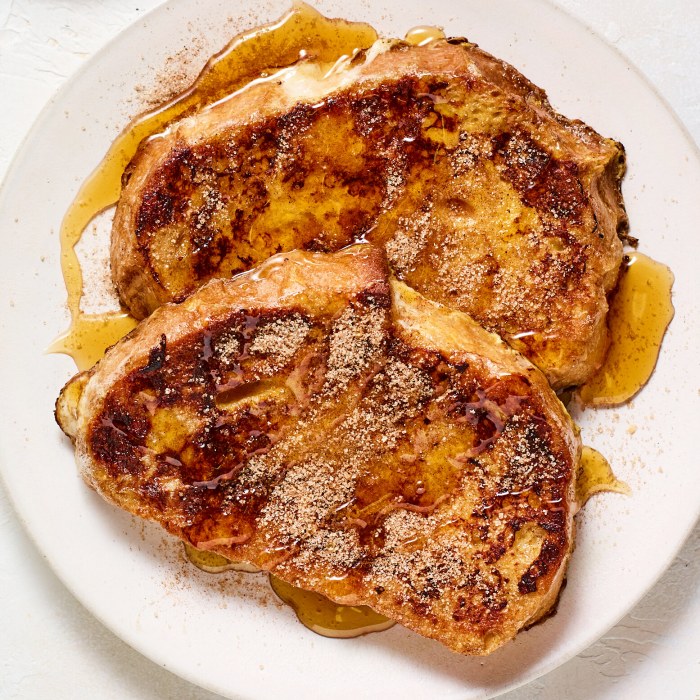
The scent of cinnamon and sweet sherry drifting from a Spanish kitchen signals one thing: torrijas season. This humble bread pudding, often called Spanish French toast, has been a Lenten staple for centuries, but its popularity now extends far beyond Easter. In 2023, Google searches for torrijas recipes spiked by 40 percent in March alone, driven largely by social media and AI-powered recipe platforms. What was once a dish passed down through handwritten notes is now being rediscovered, adapted, and perfected with the help of technology. But can algorithms truly capture the soul of a dish that depends on the feel of stale bread and the instinct of a grandmother's hand? In this article, we'll explore how AI tools, smart kitchen gadgets, and digital food communities are transforming the way we discover, cook, and share torrijas with sherry—while preserving its timeless charm. You'll learn the science behind the perfect soak, the regional variations that define its character, and the expert tips that ensure crispy edges and a custardy center every time.
From Monastery Kitchens to AI Meal Planners
Torrijas originated in 15th-century Spanish monasteries as a way to use stale bread during Lent, when eggs and dairy were often restricted. Nuns soaked leftover bread in milk or wine, fried it in olive oil, and sweetened it with honey. Over centuries, the recipe evolved regionally: in Castilla y León, it's soaked in milk and cinnamon; in Andalusia, sherry or wine is preferred. Today, AI-powered meal planners like those in smart fridges and apps analyze your pantry and suggest torrijas when you have stale bread, eggs, and cream. These tools use natural language processing to parse traditional recipes and adjust quantities based on your servings. For instance, an AI might recommend reducing the soak time if your bread is fresh, or substituting double cream with evaporated milk for a lighter version. This fusion of ancient technique and modern convenience makes torrijas more accessible than ever, especially for cooks unfamiliar with Spanish cuisine. But the core remains: a golden crust, a tender interior, and the unmistakable warmth of sherry.
The Sherry Soak: Where Science Meets Tradition
The choice of sherry is critical. Sweet sherry, such as Pedro Ximénez or cream sherry, adds a raisiny depth that balances the egg-and-cream custard. The alcohol evaporates during frying, leaving behind a subtle wine-like warmth. But the soak itself is a delicate dance: too long, and the bread disintegrates; too short, and the center remains dry. Modern cooks are turning to sous-vide machines to precisely control the soaking temperature and time, ensuring even absorption. According to a 2022 study in the Journal of Food Science, bread soaked in a liquid at 20°C for 30 seconds absorbs about 15 percent of its weight in liquid, while a 5-minute soak absorbs up to 40 percent. For torrijas, a 2-minute soak in a shallow dish is ideal. AI-powered recipe apps now include timers that adjust based on bread type—rustic baguette versus brioche—and even suggest the optimal ratio of milk to cream. This precision eliminates guesswork, allowing anyone to achieve a custardy interior with a crisp, caramelized exterior.
Regional Riffs and the Tech That Maps Them
Spain's torrijas are as diverse as its regions. In Madrid, they are thick and eggy, often served with a dusting of sugar and cinnamon. In Galicia, they might be soaked in honey and white wine. In Catalonia, a version called 'torrades' uses sweet wine and is grilled rather than fried. These variations were once passed down orally, but today, digital platforms like TasteAtlas and AI-driven food maps document and preserve them. For example, an algorithm can analyze thousands of recipes to identify the most common ingredient ratios in each region, revealing that Andalusian torrijas use 20 percent more sherry than the national average. This data not only helps home cooks choose an authentic style but also connects them to culinary heritage. Moreover, social media challenges like #TorrijasChallenge encourage users to share their twists, from vegan versions with aquafaba to gluten-free bread. These trends are then fed back into recipe apps, creating a dynamic, ever-evolving recipe ecosystem that honors tradition while embracing innovation.
Pro Tip: Use Day-Old Bread and a Digital Scale
The single most overlooked factor in making torrijas is the bread. Fresh bread will turn mushy; you need day-old bread that is slightly stale but not rock-hard. A good rule: if you can squeeze it and it springs back slowly, it's perfect. But how do you achieve that consistently? Use a digital scale to weigh your bread slices—aim for 1.5 cm thickness—and a kitchen thermometer to keep your oil at 170°C. Too hot, and the outside burns before the inside cooks; too cool, and the bread absorbs oil. An AI-enabled thermometer can alert you when the oil reaches the ideal temperature and even adjust for altitude. Another trick: add a tablespoon of cornstarch to the egg mixture to prevent sogginess. Finally, after frying, let the torrijas rest on a wire rack, not paper towels, to keep the bottom crisp. These small, tech-assisted adjustments elevate a rustic dish to a consistently perfect indulgence.
Torrijas in the Age of Food Tech and Wellness
As plant-based diets and gluten-free lifestyles gain traction, torrijas are being reimagined. AI recipe generators now offer vegan versions using oat milk, flax eggs, and sourdough, while nutrition apps calculate calories and macros. A traditional torrija can contain around 250 calories per slice, but lighter versions using evaporated milk and baking instead of frying cut that by 30 percent. Interestingly, the dish's association with Lent and Easter aligns with modern trends of seasonal eating and reducing food waste. Chefs are also experimenting with savory torrijas, topped with Manchego and ham, blurring the line between breakfast and appetizer. This adaptability ensures torrijas remain relevant in a fast-changing culinary landscape. Whether you're a purist or a trend-chaser, technology offers tools to tailor the dish to your preferences without sacrificing its essence. The result is a global community of cooks who can share, tweak, and perfect their torrijas, one algorithm at a time.
Frequently Asked Questions
Q: Can I make torrijas without sherry? A: Yes, substitute with apple juice or a splash of vanilla extract mixed with milk. The key is to add moisture and flavor without overpowering the custard. Q: How do I prevent torrijas from becoming soggy? A: Use stale bread, soak briefly (about 2 minutes per side), and fry at 170°C. Pat dry before soaking if the bread is too moist. Q: Can I prepare torrijas ahead of time? A: Yes, soak and fry them, then refrigerate for up to 2 days. Reheat in a 180°C oven for 5 minutes to restore crispness. They also freeze well for up to a month.
Key Takeaways
Torrijas with sherry are more than a recipe; they're a bridge between tradition and innovation. First, embrace technology as a tool: use AI apps to scale recipes, smart thermometers to nail frying temperatures, and digital scales for consistent slices. Second, remember that the bread is the foundation—choose day-old rustic loaves for the best texture. Third, don't fear substitutions: sherry can be swapped, and vegan versions are just as delicious. Fourth, explore regional variations to appreciate the dish's depth, from Madrid's eggy style to Andalusia's boozy soak. Finally, share your creations online; your twist might inspire someone else's new tradition. With these lessons, you're ready to cook torrijas that honor the past while embracing the future. ¡Buen provecho!
Try these recipes on DishIndex
Explore torrijas recipe recipes and more