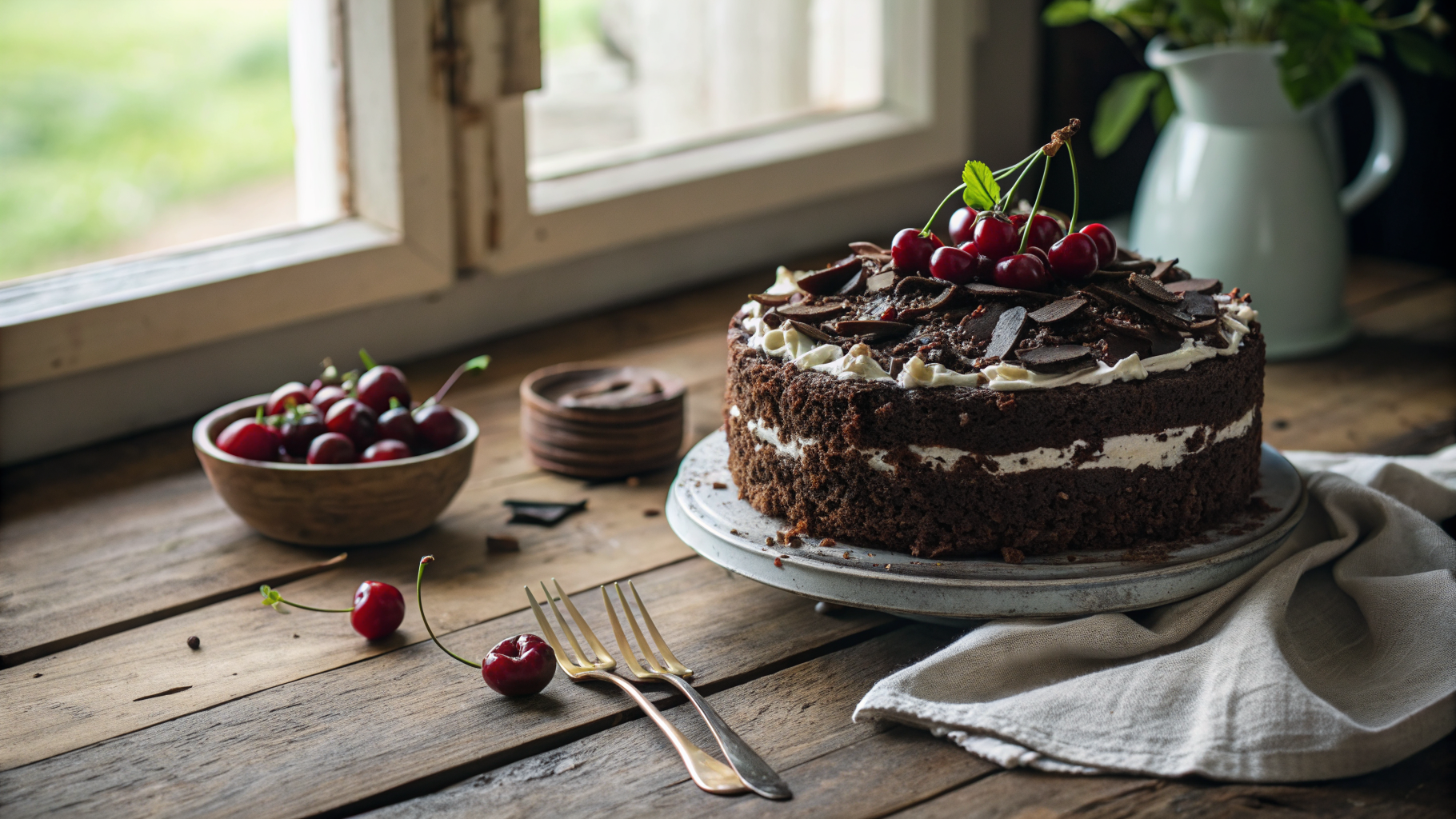
Imagine a cake so iconic it has its own festival in Germany's Black Forest region, where bakers craft it with cherries from trees that have grown for centuries. The Black Forest Cake, or Schwarzwälder Kirschtorte, is more than a dessert—it's a cultural emblem. But its traditional ingredients, from imported chocolate to out-of-season cherries, can carry a hefty environmental cost. In a world where food systems contribute up to 30% of global greenhouse gas emissions, rethinking how we make this classic is a delicious act of sustainability. You might wonder: can a cake this luxurious be eco-friendly? Absolutely. By focusing on seasonal, local, and waste-reducing practices, you can honor the original recipe while treading lighter on the planet. In this article, you'll discover the surprising history of the cake, how to source ingredients responsibly, and expert techniques that turn a decadent treat into a model of sustainable baking. Get ready to bake a Black Forest Cake that's as kind to the earth as it is to your taste buds.
The Environmental Footprint of a Classic
Every slice of Black Forest Cake tells a story of global trade. Traditional recipes call for dark chocolate, often made from cocoa grown in West Africa, where deforestation and child labor remain concerns. The cherries, if out of season, may be flown in from Chile or Turkey, generating up to 10 times more emissions than locally grown fruit. Whipped cream requires dairy, and dairy production accounts for about 2.5% of global greenhouse gas emissions. Even the flour and sugar have carbon costs: wheat farming emits roughly 0.5 kg CO2 per kg, while sugar refining is energy-intensive. But there's good news: small shifts make a big difference. Choosing organic, shade-grown cocoa supports biodiversity. Using local, seasonal cherries—fresh in summer or preserved from your own harvest—cuts transport miles. And swapping some cream for Greek yogurt reduces methane emissions. The cake's environmental impact isn't fixed; it's a recipe you can rewrite.
Seasonal Cherries: The Heart of Sustainability
The soul of a Black Forest Cake is the cherry, and here's where sustainability shines. In Germany's Black Forest, the traditional sour cherry variety, Schattenmorelle, ripens in July. These tart cherries are perfect for the cake's filling and soak up kirsch beautifully. If you live in a temperate region, seek out local sour cherries at farmers' markets during summer. Freeze or jar them for year-round use—this avoids the carbon footprint of air-freighted imports, which can be 50 times higher than ground transport. Even better, grow a dwarf cherry tree in a large pot; it yields fruit in 3-5 years and supports pollinators. For those in warmer climates, try Morello cherries, which thrive in zones 5-8. When preserving, use glass jars and reusable lids to minimize plastic. And don't discard cherry pits: simmer them in syrup for a subtle almond flavor, a zero-waste trick that intensifies the cake's authenticity. By aligning your baking with the cherry season, you get superior flavor and a smaller footprint.
From Forest to Table: A Brief History
The Black Forest Cake's origins are as layered as the dessert itself. While the name evokes the dense fir forests of southwestern Germany, the cake as we know it likely emerged in the late 19th century. Some food historians credit confectioner Josef Keller, who claimed to invent it in 1915 at a café near Bonn. Others point to earlier recipes in regional cookbooks. What's certain is that the cake became popular in the 1930s, when kirsch, a clear cherry brandy distilled in the Black Forest, was widely available. The region's cool climate and acidic soil are ideal for sour cherries, and farmers have cultivated them for centuries. Traditionally, the cake was a celebration of the cherry harvest, served at weddings and festivals. After World War II, it spread across Europe and beyond, becoming a symbol of German baking. Today, the Black Forest is a protected geographical indication for the cake, ensuring it meets specific standards. Understanding this history connects each slice to a place and its people.
Pro Tip: Revive Stale Cake with Cherry Syrup
Even the best bakers face dry chocolate sponge. Instead of tossing it, transform it into a sustainable treat. First, brush each layer generously with the syrup from your cherry filling—this adds moisture and flavor while using a byproduct you'd otherwise discard. For an eco-friendly boost, brew a weak chamomile tea and mix it with the syrup; the floral notes complement the chocolate. If you have leftover whipped cream, fold it into crushed cake crumbs with a spoonful of jam to make cake pops—no baking required. Another expert trick: replace up to 25% of the flour with finely ground oats or spelt, which are often locally grown and require less water than wheat. This also adds fiber and a nutty depth. Finally, chill your bowl and beaters before whipping cream; it whips faster and holds better, saving energy. These small acts of resourcefulness keep the cake's spirit alive while reducing waste.
The Future of Sustainable Baking
Sustainability in baking isn't a fad; it's a return to traditional wisdom. Modern research shows that regenerative agriculture—practices like cover cropping and no-till farming—can sequester carbon in the soil, making ingredients like flour and dairy part of the climate solution. For chocolate, brands are increasingly sourcing from agroforestry systems where cocoa grows under shade trees, supporting biodiversity. In the dairy aisle, look for milk from grass-fed cows, which can have a lower carbon footprint than grain-fed operations. And when it comes to eggs, backyard hens or local farms reduce transport and support animal welfare. Even your oven matters: convection mode bakes faster at lower temperatures, cutting energy use by up to 20%. By making a Black Forest Cake with these principles, you're not just baking; you're participating in a global movement toward a resilient food system. The cake becomes a delicious statement that indulgence and responsibility can coexist.
Frequently Asked Questions
Q: Can I make Black Forest Cake without kirsch? A: Yes, simply omit it or substitute with a splash of cherry juice mixed with a teaspoon of almond extract for a non-alcoholic version that still captures the traditional flavor. Q: How do I prevent the cake from becoming soggy? A: Brush the sponge layers lightly with syrup rather than soaking them, and ensure your whipped cream is stiffly peaked to create a moisture barrier. Q: What's the best way to store leftover cake? A: Keep it in an airtight container in the refrigerator for up to three days; before serving, let it sit at room temperature for 20 minutes to soften the cream and enhance flavors.
Key Takeaways
Baking a sustainable Black Forest Cake starts with seasonal, local cherries—fresh in summer or preserved from your own stash. Choose organic, shade-grown chocolate and dairy from grass-fed cows to lower your carbon footprint. Reduce waste by using cherry syrup to moisten sponge and repurposing stale cake into cake pops. Embrace energy-saving techniques like convection baking and whipping cream efficiently. Finally, remember that tradition and sustainability go hand in hand: the cake's origins lie in celebrating local harvests, a practice we can revive today. With these tips, you'll craft a dessert that honors German heritage and the planet, one delicious slice at a time.
Try these recipes on DishIndex
Explore Black Forest Cake recipes and more