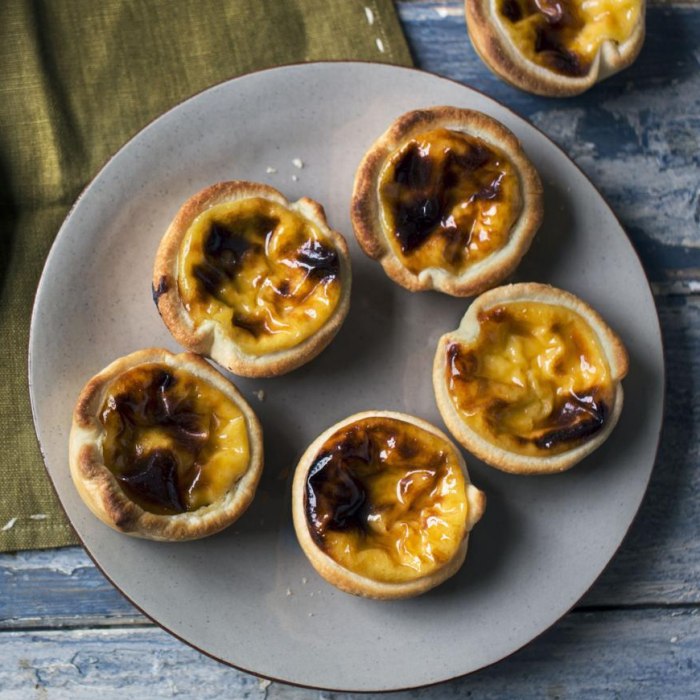
The first bite of a Portuguese custard tart is a revelation: shattering layers of crisp pastry giving way to a silky, lemon-kissed custard, its surface blistered to a deep amber. But beyond the indulgence, these tarts—known as pastéis de nata—pack a surprisingly complex nutritional profile. Originating from the monasteries of Lisbon in the 18th century, they were born from egg whites used to starch clothes, leaving yolks to be baked into rich custards. Today, they are a global icon, yet few stop to consider what they actually deliver: high-quality protein from eggs, healthy fats from puff pastry, and a burst of vitamin C from lemon zest. In this article, we will dissect the macros, vitamins, and health science behind each ingredient, from the flour and icing sugar in the pastry to the cinnamon on top. You will learn how to enjoy these tarts as part of a balanced diet, understand their glycemic impact, and discover research-backed insights that might just surprise you. Prepare to see this classic dessert in a whole new light—one that honors both tradition and modern nutritional science.
Macro Breakdown: Protein, Fat, and Carbohydrates
A standard Portuguese custard tart (about 60 grams) contains roughly 180 calories, 3 grams of protein, 10 grams of fat, and 20 grams of carbohydrates. The protein comes primarily from egg yolks, which provide all nine essential amino acids, making it a complete protein source—rare for a dessert. The fats are a mix of saturated and unsaturated: puff pastry is made with butter, contributing to its flaky texture and delivering fat-soluble vitamins like A and D. The carbohydrates are split between the plain flour in the pastry and the caster sugar in the custard, offering quick energy. However, the glycemic index of a tart is moderate, around 55, due to the fat and protein slowing sugar absorption. Compared to a doughnut, which can have 250 calories and 15 grams of sugar, a custard tart is a more nutrient-dense choice. The lemon zest adds negligible calories but boosts flavor, allowing you to use less sugar without sacrificing taste.
Vitamins and Minerals: The Hidden Gems
Egg yolks are a nutritional powerhouse, providing vitamin B12, riboflavin, folate, and choline—critical for brain health and metabolism. One tart supplies about 10% of your daily B12 and 15% of your daily selenium, an antioxidant mineral. The lemon zest contributes vitamin C and limonene, a compound with anti-inflammatory properties. Cinnamon, often dusted on top, is rich in manganese and antioxidants; studies show it can improve insulin sensitivity. The plain flour in the pastry is typically enriched, adding iron and B vitamins. However, the icing sugar and caster sugar offer little beyond calories. To boost nutrition, consider using whole wheat pastry flour for extra fiber, or add a pinch of cinnamon to the custard itself to increase antioxidant intake. The key is moderation: one tart as a treat can fit into a healthy diet, but two or three will spike blood sugar. Pair with a source of fiber, like fresh berries, to slow digestion.
The Cultural Roots of Pastéis de Nata
Pastéis de nata were created in the early 19th century by monks at the Jerónimos Monastery in Belém, Lisbon. At the time, egg whites were used to clarify wine and starch clerical garments, leaving a surplus of yolks. The monks baked them into custard tarts, and after the monastery closed in 1834, the recipe was sold to a nearby sugar refinery, which opened the Fábrica de Pastéis de Belém in 1837. That same bakery still operates today, selling over 20,000 tarts daily. The original recipe remains a closely guarded secret, known to only a few master confectioners. In Portugal, pastéis de nata are typically enjoyed warm, with a sprinkle of cinnamon and powdered sugar, alongside a bica (espresso). They are a national symbol, celebrated on National Pastel de Nata Day (June 8) and cherished as a link to Portugal's maritime history and monastic traditions. Today, they are found worldwide, from Macau to Brazil, each region adding its own twist.
Pro Tip: Mastering the Custard's Texture
The most common mistake home cooks make is overcooking the custard, which causes curdling and a rubbery texture. The secret is to cook the custard gently over a double boiler, stirring constantly, until it reaches exactly 82°C (180°F). At this temperature, the egg proteins coagulate just enough to thicken without scrambling. Use a candy thermometer for precision. Another pro tip: strain the custard through a fine-mesh sieve before filling the pastry shells to remove any cooked egg bits, ensuring a silky smooth finish. For a healthier twist, replace half the caster sugar with xylitol or erythritol, which reduces calories and glycemic impact without sacrificing sweetness. Finally, preheat your oven to 250°C (480°F) and bake on the top rack so the custard blisters quickly, creating that signature caramelized top. Remember, the pastry should be chilled before filling to prevent shrinkage, and the tarts should rest for 5 minutes after baking to set the custard.
Health Trends and Mindful Indulgence
In recent years, the rise of intuitive eating and the '80/20 rule' has encouraged a more balanced approach to desserts. Portuguese custard tarts fit perfectly into this philosophy: they are portion-controlled, made with real ingredients, and offer some nutritional value. Unlike many processed desserts, they contain no artificial trans fats or high-fructose corn syrup. Research from the Journal of the American College of Nutrition suggests that enjoying small, satisfying treats can reduce overall calorie intake by preventing binge eating. Moreover, the Mediterranean diet, which includes Portugal, emphasizes moderation and social enjoyment of meals. A custard tart enjoyed slowly with coffee or tea can be a mindful experience, activating satiety signals. For those with diabetes, the moderate glycemic index means one tart can be worked into a meal plan with careful carbohydrate counting. The key is to savor it, not rush it. Pairing with a protein source, like Greek yogurt, further blunts blood sugar spikes.
Frequently Asked Questions
Q: Are Portuguese custard tarts healthy? A: They can be part of a healthy diet in moderation. One tart provides protein, B vitamins, and minerals, but also sugar and saturated fat. Enjoy occasionally as a treat. Q: How many calories are in a Portuguese custard tart? A: A standard tart has about 180 calories, with 10 grams of fat and 20 grams of carbohydrates. Homemade versions may vary based on ingredient choices. Q: Can I make Portuguese custard tarts gluten-free? A: Yes, use gluten-free puff pastry and ensure your flour blend is suitable. The custard is naturally gluten-free, so only the pastry needs adjustment. Note that texture may differ slightly.
Key Takeaways
First, a Portuguese custard tart is not just empty calories—it offers complete protein from eggs, essential vitamins like B12 and selenium, and antioxidants from cinnamon. Second, portion control is crucial: one tart fits into a balanced diet, but multiple tarts can spike blood sugar. Third, you can boost nutrition by using whole wheat pastry flour, reducing sugar, or adding extra cinnamon. Fourth, the traditional method of cooking custard to 82°C ensures a silky texture without curdling, a technique worth mastering. Finally, enjoy these tarts mindfully, savoring each bite as part of a meal that includes fiber and protein. Whether you are a longtime fan or a curious newcomer, understanding the nutritional science behind pastéis de nata empowers you to indulge smarter. So go ahead, bake a batch, and appreciate the centuries of craftsmanship in every flaky, creamy bite.
Try these recipes on DishIndex
Explore Portuguese custard tarts recipes and more