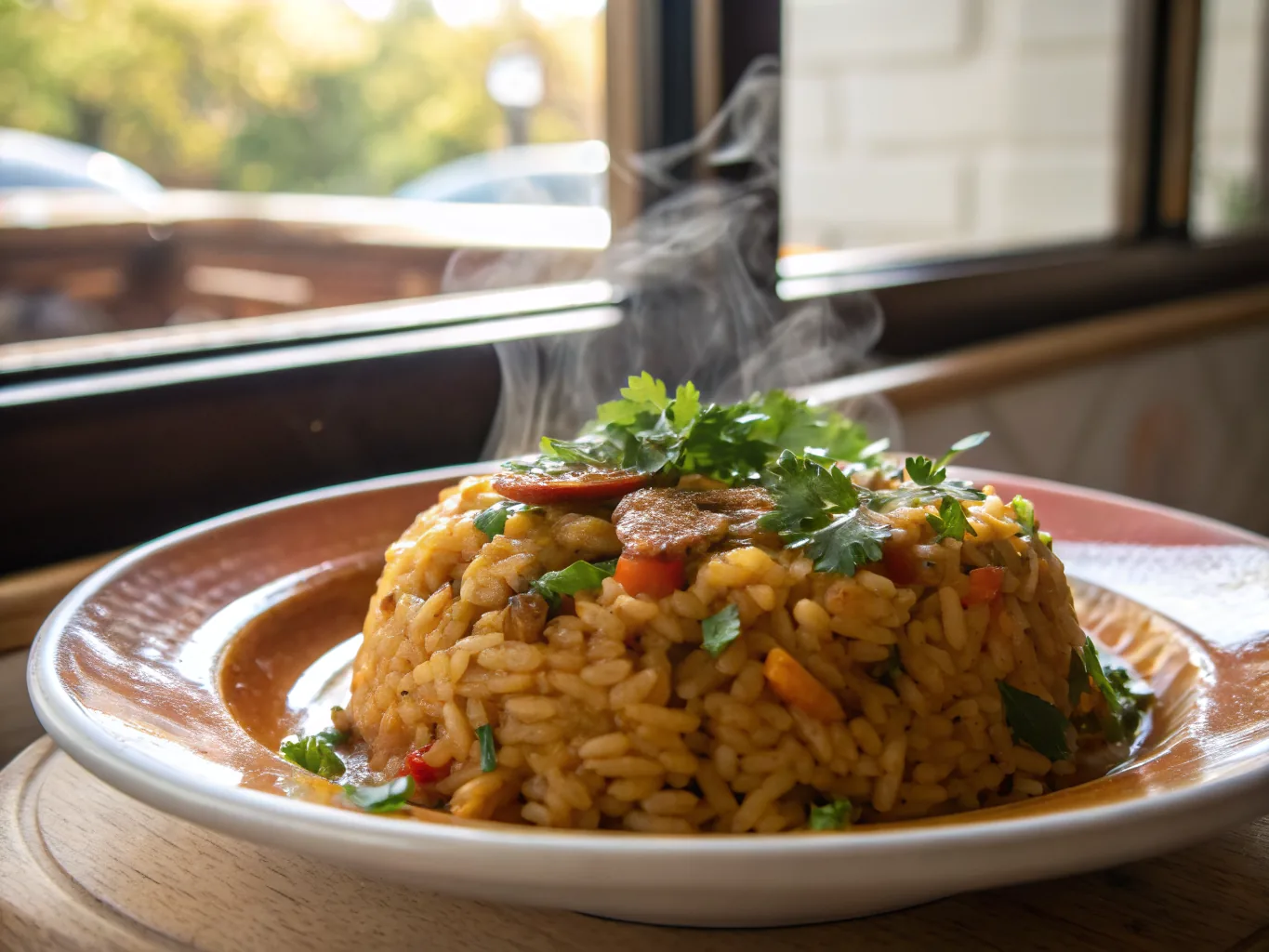
Imagine a golden, crackling lid of baked egg that shatters with the touch of your spoon, revealing a fragrant, saffron-kissed rice beneath. This is Arroz con Costra, a soulful dish from Alicante that feels like a warm hug on a cool evening. I first discovered it in a tiny family-run tavern, where the aroma of garlic, paprika, and smoky chorizo drifted through the air. But beyond its irresistible appeal, this dish is a nutritional powerhouse. Packed with high-quality protein from chicken, pork ribs, and eggs, plus complex carbohydrates from short-grain rice, it offers a balanced meal that satisfies both body and soul. In this article, we'll uncover the health science behind its key ingredients, from the anti-inflammatory properties of saffron to the muscle-building benefits of complete proteins. You'll learn how to appreciate Arroz con Costra not just as a comfort food, but as a thoughtfully composed dish that can fit into a healthy lifestyle. Get ready to explore the macros, vitamins, and research-backed insights that make this Spanish classic a smart choice for any dinner table.
The Macro Breakdown: Protein, Carbs, and Fats in Harmony
A typical serving of Arroz con Costra (about 1.5 cups) provides roughly 550 calories, with a balanced macronutrient profile: 30 grams of protein, 45 grams of carbohydrates, and 28 grams of fat. The protein comes from three animal sources: chicken thighs, pork ribs, and eggs. Chicken thighs are particularly rich in collagen and elastin, which support joint health, while eggs provide all nine essential amino acids, making them a complete protein. The fat content, primarily from olive oil and chorizo, includes monounsaturated fats that are heart-healthy when consumed in moderation. The carbohydrates are mainly from short-grain rice, which has a higher glycemic index than long-grain varieties, but the fat and protein in the dish slow digestion, promoting satiety. This synergy of macros makes Arroz con Costra a satisfying meal that helps stabilize blood sugar levels when eaten as part of a balanced diet. For active individuals, it's an excellent post-workout option due to its glycogen-replenishing carbs and muscle-repairing protein.
Saffron and Paprika: Anti-Inflammatory Powerhouses
The vibrant golden hue of Arroz con Costra comes from saffron, a spice that has been valued for its medicinal properties for centuries. Saffron contains crocin and safranal, compounds shown in studies to have anti-inflammatory and antioxidant effects. Research published in the Journal of Nutrition suggests that saffron may help reduce oxidative stress and improve mood. Paprika, made from ground peppers, adds smoky depth and is rich in capsaicin, which can boost metabolism and reduce appetite. The combination of these spices not only enhances flavor but also contributes to the dish's health profile. Additionally, the sofrito base of tomatoes, bell peppers, and onions provides lycopene, vitamin C, and quercetin. These phytonutrients support immune function and cardiovascular health. When you cook Arroz con Costra, you're not just making a meal; you're creating a dish that fights inflammation and supports overall well-being. This aligns with the Mediterranean diet pattern, consistently ranked as one of the healthiest in the world.
The Alicante Origin: From Farmhouse to Modern Table
Arroz con Costra hails from the Alicante province in the Valencia region of Spain, where rice cultivation dates back to the 8th century during Moorish rule. The dish was originally a farmhouse meal, designed to use leftover rice and whatever meats were available, with eggs serving as a cheap, protein-rich topping that also sealed in moisture. The name 'costra' means crust, referring to the baked egg layer that forms a golden shell. Traditionally, it was cooked in a clay pot over an open fire, then finished in a wood-fired oven. Over time, it became a staple in local taverns, often served on Sundays for family gatherings. Today, it remains a symbol of Alicante's culinary identity, celebrated in festivals and home kitchens alike. Its evolution reflects the region's agricultural history and the ingenuity of its cooks, who turned simple ingredients into a nourishing, celebratory dish that continues to bring people together.
Pro Tip: Poach the Eggs in the Rice for a Creamier Crust
Most recipes call for beating eggs and pouring them over the rice before baking, but there's a better way to achieve a tender, creamy crust that doesn't dry out. Instead of baking the eggs, crack them directly onto the surface of the simmering rice during the last 10 minutes of cooking, cover the pan, and let them poach gently in the steam. This method, used by traditional Alicante cooks, results in a custardy texture that melds with the rice, while the top remains slightly runny. If you prefer a firmer crust, you can then transfer the pan to a broiler for 2-3 minutes to set the top. This technique also preserves the delicate flavor of the eggs and prevents them from becoming rubbery. For an extra layer of flavor, drizzle a little olive oil over the eggs before covering. The result is a luxurious, spoonable crust that enhances the dish's richness without adding extra fat.
Arroz con Costra in the Context of Mediterranean Diet Trends
The Mediterranean diet, inspired by the traditional eating patterns of countries like Spain, Greece, and Italy, has been linked to reduced risk of heart disease, stroke, and type 2 diabetes. Arroz con Costra fits this pattern when enjoyed in moderation, thanks to its use of olive oil, fresh vegetables, and lean proteins. However, the dish also includes chorizo, a processed meat that is high in saturated fat and sodium. To make it healthier, you can use Spanish chorizo sparingly or substitute it with leaner options like turkey chorizo. The key is balance: pair the dish with a large green salad and a glass of red wine, which provides resveratrol, an antioxidant associated with heart health. Modern nutrition research emphasizes the importance of overall dietary patterns rather than single ingredients, so Arroz con Costra can be part of a wholesome lifestyle when eaten alongside plenty of vegetables, fruits, and whole grains. Its emphasis on shared meals also supports mental well-being, a often-overlooked aspect of nutrition.
Frequently Asked Questions
Q: Is Arroz con Costra healthy? A: Yes, in moderation. It provides protein, carbs, and healthy fats, but watch portions due to its calorie density. Pair with vegetables for a balanced meal. Q: Can I make it gluten-free? A: Yes, ensure your chorizo and stock are gluten-free. The dish is naturally gluten-free otherwise, as it uses rice and eggs. Q: What's the best rice for Arroz con Costra? A: Short-grain rice like Bomba or Calasparra is ideal. It absorbs liquid well and stays firm, creating the perfect texture for the egg crust.
Key Takeaways
Arroz con Costra is more than a comfort food; it's a nutritionally balanced dish that can be part of a healthy diet. Remember to use short-grain rice for optimal texture, and don't skip the saffron, which offers anti-inflammatory benefits. For a healthier version, reduce the chorizo and add extra vegetables like peas or artichokes. The egg crust is a signature feature, so try the poaching method for a creamier result. Finally, enjoy it with a side salad and a glass of red wine to embrace the Mediterranean lifestyle. With these insights, you're ready to cook and savor this Alicante classic with confidence, knowing it nourishes both body and soul.
Try these recipes on DishIndex
Explore Arroz con Costra recipes and more