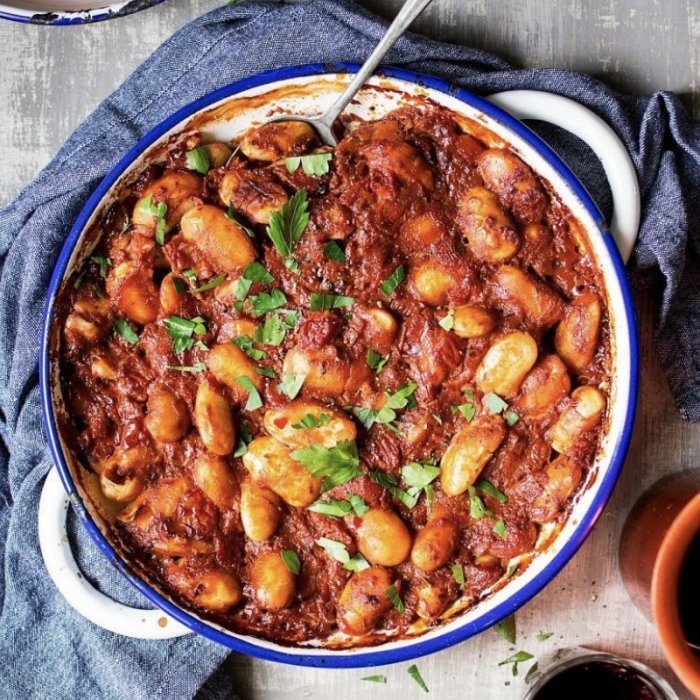
Imagine a dish that embodies the warmth of a Greek taverna: giant white beans simmered in a luscious tomato sauce, infused with garlic, onions, and herbs, then baked until the top caramelizes into a golden crust. Gigantes Plaki is more than comfort food; it's a testament to sustainable eating. Originating from Greece, this dish relies on simple, seasonal ingredients that are kind to the planet. As we face global food challenges, embracing such traditional recipes can significantly reduce our environmental footprint. In this article, we'll explore the sustainability of Gigantes Plaki, from sourcing local beans to minimizing waste. You'll discover how this humble dish can become a staple in your eco-friendly kitchen, delivering rich flavors while respecting the Earth. Let's dive into the world of Greek cuisine and uncover why Gigantes Plaki deserves a place on your table.
The Environmental Power of Pulses
Butter beans, the star of Gigantes Plaki, are a type of pulse that packs a powerful environmental punch. Pulses are among the most sustainable protein sources, requiring significantly less water and land than animal proteins. For instance, producing one kilogram of beans emits about 0.9 kg of CO2, compared to 27 kg for beef. They also fix nitrogen in the soil, reducing the need for synthetic fertilizers. In Greece, gigantes beans are often grown locally, supporting regional agriculture and cutting down on transportation emissions. By choosing this dish, you're not only nourishing your body with plant-based protein and fiber but also contributing to a healthier planet. Moreover, the long shelf life of dried beans reduces food waste, as you can store them for months without spoilage. This makes Gigantes Plaki a smart choice for both your pantry and the environment.
Seasonal and Local: The Tomato Sauce
The tomato sauce in Gigantes Plaki is another opportunity for sustainability. Using ripe, seasonal tomatoes from a local farmers market or your garden reduces the carbon footprint associated with out-of-season produce flown in from afar. Tomatoes are typically in season during summer, and making a large batch of sauce to preserve for winter is a time-honored tradition in Mediterranean households. If fresh tomatoes aren't available, high-quality tomato puree in glass jars is a good alternative, as glass is infinitely recyclable. Onions and garlic, also key ingredients, store well and are often grown locally. The olive oil, a staple of Greek cuisine, should ideally be extra virgin and sourced from local groves; Greece produces some of the finest olive oil with a relatively low environmental impact compared to other oils. By prioritizing seasonal and local ingredients, you're supporting sustainable agriculture and enjoying peak flavor.
A Dish Rooted in Greek Tradition
Gigantes Plaki has deep roots in Greek culinary history, particularly in the northern regions like Macedonia and Thrace. The name 'gigantes' means 'giants' in Greek, referring to the large size of the beans. Traditionally, this dish was prepared in clay pots and baked in communal ovens, often on Sundays or during festivals. It's a staple of Greek Orthodox fasting periods, as it's naturally vegan and nutritious. The dish reflects the Mediterranean diet, renowned for its health benefits and low environmental impact. In older times, families would use dried beans from their own harvest, making it a zero-waste meal. The slow baking method, using residual heat from the oven after bread baking, was an early form of energy efficiency. Today, Gigantes Plaki remains a beloved comfort food, symbolizing resourcefulness and communal dining. By cooking it, you're connecting to centuries of Greek tradition and sustainable practices.
Pro Tip: Soak and Cook Beans for Zero Waste
Many home cooks overlook the importance of properly soaking and cooking dried beans, leading to tough beans and wasted energy. Start by soaking the gigantes beans overnight in plenty of water with a tablespoon of salt. This not only reduces cooking time but also makes them easier to digest. After soaking, drain and rinse the beans, discarding the soaking water, which contains oligosaccharides that can cause gas. When cooking, use a pressure cooker if possible; it cuts energy use by up to 70% compared to stovetop boiling. Alternatively, simmer them gently until tender but intact. Don't throw away the cooking liquid—it's rich in nutrients and flavor. Use it to thin the tomato sauce or as a base for soups. Also, consider cooking a large batch and freezing portions to avoid energy waste from reheating small amounts. These small steps maximize sustainability and enhance the dish's texture and taste.
Nutrition and Sustainability Go Hand in Hand
Gigantes Plaki exemplifies how traditional dishes can align with modern sustainability goals. The beans provide a hefty dose of plant-based protein, fiber, and essential minerals like iron and potassium, with no cholesterol. The tomato sauce adds lycopene, an antioxidant linked to reduced risk of chronic diseases. Olive oil, a cornerstone of the Mediterranean diet, is rich in monounsaturated fats and polyphenols. This combination not only supports heart health but also has a lower environmental footprint than meat-centric meals. Studies show that shifting to plant-based diets can reduce greenhouse gas emissions by up to 50%. Moreover, the dish's reliance on whole, unprocessed ingredients minimizes packaging waste. As more people seek eco-friendly eating, Gigantes Plaki offers a delicious template: it's a one-pot meal that's nutritious, affordable, and easily scalable. By embracing such dishes, we can enjoy global flavors while caring for the planet.
Frequently Asked Questions
Q: Can I use canned beans instead of dried? A: Yes, but dried beans offer better texture and flavor, and reduce packaging waste. If using canned, rinse well and adjust cooking time, as they're already cooked. Q: Is Gigantes Plaki suitable for vegans? A: Absolutely. The traditional recipe is vegan, relying on olive oil and tomatoes for richness. Ensure your bread, if served, is vegan too. Q: How can I reduce the dish's carbon footprint further? A: Source beans and vegetables locally, use a pressure cooker, and avoid food waste by repurposing leftovers into soups or spreads.
Key Takeaways
Gigantes Plaki is more than a recipe; it's a sustainable eating philosophy. By choosing pulses like butter beans, you cut carbon emissions and water use compared to animal proteins. Seasonal, local tomatoes and olive oil boost flavor while supporting regional farmers. Traditional cooking methods, such as slow baking, minimize energy consumption. Proper soaking and cooking of dried beans reduces waste and enhances nutrition. Finally, this dish connects you to Greek heritage and the Mediterranean diet, proven healthy for both people and the planet. Embrace Gigantes Plaki as a weekly staple, and you'll enjoy comforting, delicious meals that align with eco-conscious values. Share it with friends and family, and let this ancient dish inspire modern sustainable living.
Try these recipes on DishIndex
Explore Gigantes Plaki recipes and more