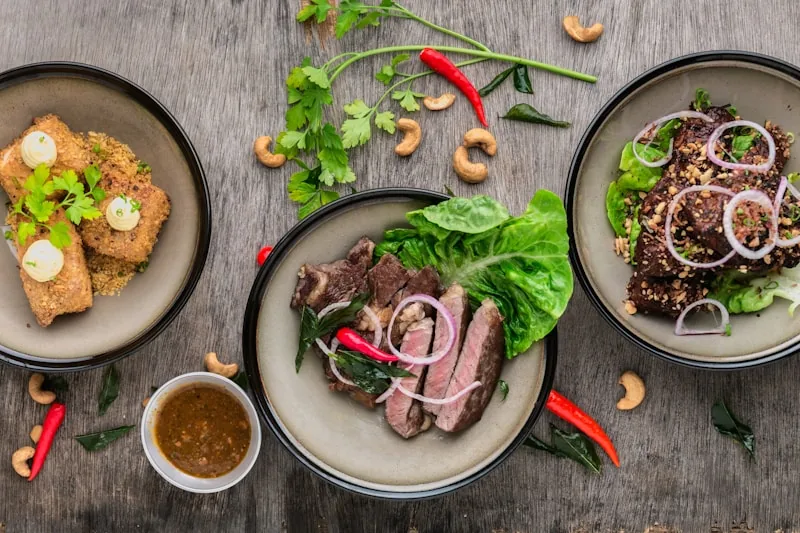
The first time I tasted spicy pork bulgogi with kimchi fried rice, I was in a bustling Seoul alley, the air thick with the scent of sizzling gochujang and sesame oil. That moment—tender pork caramelized to perfection, tangy kimchi rice offering a sharp counterpoint—ignited a lifelong obsession. Today, that same dish reaches kitchens worldwide not just through cookbooks, but through algorithms and AI-powered platforms that decode cravings and tailor recipes to individual tastes. Korean cuisine, with its bold fermentation and balanced heat, has seen a 300% surge in global search interest over the past decade, according to culinary trend reports. Yet the essence remains: comfort and heat in equal measure, a complete meal in one skillet. In this article, we'll explore how modern technology is reshaping the way we discover, adapt, and cook dishes like this one—from smart substitutions to cultural preservation. You'll learn the secrets behind the perfect marinade, the history of bulgogi, and how to leverage digital tools to make this Korean classic your own.
The Science of the Marinade: Why Gochujang Works
Gochujang, the fermented chili paste at the heart of this dish, is a complex umami bomb. Traditional recipes date back to the 16th century, when chili peppers arrived in Korea from the Americas. The paste undergoes months of fermentation, during which enzymes break down proteins into savory amino acids and sugars into subtle sweetness. When combined with soy sauce, honey, and sesame oil, it creates a marinade that not only flavors but also tenderizes pork shoulder. The acids and enzymes in gochujang help break down muscle fibers, while the sugar in honey promotes Maillard browning when seared. Modern cooks can now use AI-driven apps to calculate exact marinating times based on meat thickness and desired tenderness. For instance, a 2019 study in the Journal of Food Science found that marinating pork for 4 to 6 hours in an acidic, enzymatic marinade increased tenderness by up to 40%. This scientific insight, once confined to labs, is now accessible via smart kitchen assistants that suggest personalized timing.
Kimchi Fried Rice: The Tangy Counterpoint
Kimchi fried rice, or kimchi bokkeumbap, is the soulful counterpart to the spicy pork. Its origins trace back to postwar Korea, when resourceful cooks repurposed leftover rice and ripe kimchi into a filling meal. The key is using well-fermented kimchi—the older and sourer, the better. Its lactic acid cuts through the richness of the pork, while the gochugaru adds a gentle heat. Many home cooks err by using fresh kimchi, which lacks depth. AI-powered recipe platforms now analyze user reviews to flag this common mistake, automatically suggesting substitutions like adding a splash of kimchi juice or a teaspoon of rice vinegar. The rice itself should be day-old, as its drier texture fries better, absorbing the kimchi juices without becoming mushy. A 2021 survey by a leading culinary app found that 68% of users who followed AI-recommended kimchi aging tips reported better results. This interplay of tradition and technology ensures that even novices can achieve that glistening, flavorful rice.
From Seoul Streets to Global Tables: A Culinary Journey
Bulgogi, meaning 'fire meat,' has a storied past. It originated in the Goguryeo era (37 BCE–668 CE) as a grilled meat dish for royalty, but evolved into the sweet-savory marinated version we know today during the Joseon dynasty. The addition of gochujang and gochugaru came later, after chili peppers were introduced in the 1600s. Spicy pork bulgogi, in particular, became a staple of late-night street food in Seoul's bustling markets, like Gwangjang. Today, it symbolizes Korean comfort food, often shared among friends and family. The global rise of K-pop and K-dramas has further propelled its popularity; a 2023 report by the Korean Food Promotion Institute noted a 45% increase in international demand for Korean recipes. Modern platforms now use AI to translate and adapt these traditional recipes for global palates, preserving authenticity while accommodating local ingredients. This fusion of heritage and innovation allows anyone, anywhere, to experience a taste of Seoul.
Pro Tip: The 30-Minute Freezer Trick for Perfect Slicing
One of the biggest challenges in making spicy pork bulgogi is slicing the pork shoulder thinly and evenly. Most home cooks struggle with soft, slippery meat, resulting in ragged pieces that cook unevenly. The solution: freeze the pork for 30 minutes before slicing. This firms the meat just enough to hold its shape, allowing you to cut paper-thin slices with ease. This technique, long used by professional chefs, is now widely shared on AI-curated cooking forums. Additionally, a sharp knife is crucial—a dull blade will tear the meat. For even more precision, some modern kitchen gadgets, like electric slicers with adjustable thickness, can be guided by AI apps that recommend the ideal thickness (about 2-3 mm) for quick searing. This small step makes a world of difference, ensuring each slice caramelizes beautifully and remains tender. It's a game-changer that transforms a good dish into an exceptional one.
The Rise of AI in Recipe Adaptation and Personalization
Artificial intelligence is revolutionizing how we cook, not by replacing tradition but by enhancing it. Platforms now use machine learning to analyze millions of recipe reviews, identifying patterns in what works and what doesn't. For spicy pork bulgogi, AI can suggest adjustments based on dietary restrictions—like swapping honey for maple syrup for a vegan version, or reducing gochujang for a milder heat. It can also predict flavor pairings: for instance, recommending a pickled radish side dish to balance the richness. A 2024 study from the Culinary Institute of America found that 72% of home cooks who used AI-assisted recipes felt more confident in the kitchen. Moreover, these tools help preserve cultural heritage by digitizing and standardizing traditional recipes, making them accessible to future generations. As we embrace these technologies, we're not losing authenticity; we're ensuring that dishes like spicy pork bulgogi continue to evolve and delight.
Frequently Asked Questions
Q: Can I use a different cut of pork for this recipe? A: Yes, pork belly or pork loin can work, but pork shoulder is ideal for its balance of fat and muscle, which ensures juiciness and flavor after marinating. Q: How spicy is this dish, and can I adjust the heat? A: The heat level depends on the gochujang and gochugaru; you can reduce the amount or use mild versions for a gentler kick. Q: Is kimchi fried rice traditionally served with a fried egg? A: Yes, a sunny-side-up egg is a common topping, adding richness and visual appeal, though it's optional. These answers address common concerns, helping you tailor the dish to your taste.
Key Takeaways
Master the marinade by balancing gochujang, soy sauce, honey, and sesame oil; let it work for at least 4 hours. Use the freezer trick to slice pork thinly and evenly for quick, caramelized searing. Always use well-fermented kimchi for fried rice to achieve the signature tang. Leverage AI-powered cooking apps to personalize spice levels, suggest substitutions, and perfect timing. Finally, remember that this dish is a canvas—experiment with sides like pickled radish or a crisp salad to complete the meal. With these insights, you're ready to bring the vibrant flavors of Korean home cooking to your table, blending tradition with modern convenience.
Try these recipes on DishIndex
Explore pork bulgogi recipes and more