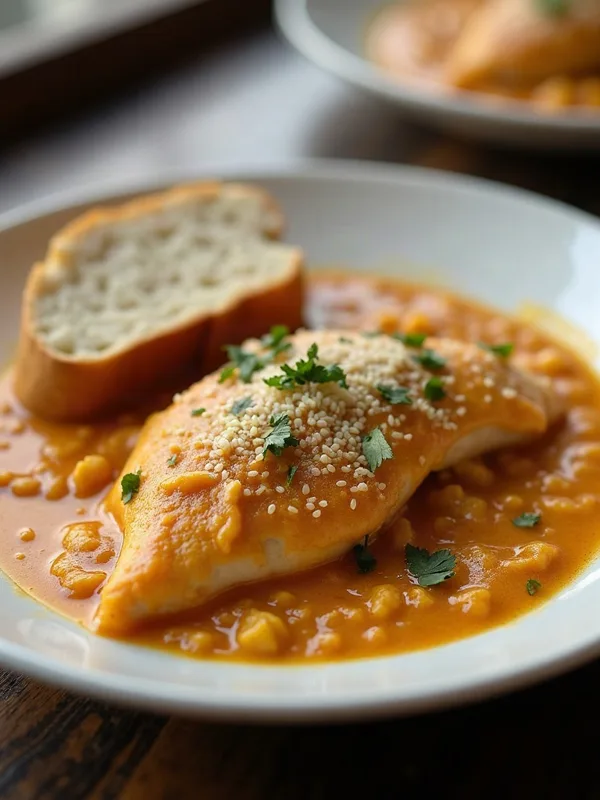
In the bustling huariques of Lima, where home cooks serve generous portions from bubbling pots, aji de gallina reigns as the ultimate comfort food. This dish—tender shredded chicken cloaked in a velvety, golden sauce of aji amarillo, walnuts, and Parmesan—hugs you from the inside out. But beyond its soulful appeal, it's a meal prep powerhouse waiting to be discovered. Imagine opening your fridge on a hectic Wednesday to a container of this rich, slightly spicy stew, ready to warm and serve over rice. That's not just dinner; that's a small victory. In this article, we'll explore how to batch cook aji de gallina efficiently, store it safely for the week, and integrate it into a balanced diet without sacrificing an ounce of flavor. You'll learn the secrets to maintaining that luscious texture through reheating, how to portion it for optimal nutrition, and why this Peruvian classic deserves a spot in your weekly rotation. Get ready to transform your meal prep routine with a dish that feels like a warm embrace.
Why Aji de Gallina Is a Meal Prep Dream
Aji de gallina is uniquely suited to batch cooking because its flavors deepen overnight. The sauce, made from blended bread, evaporated milk, and ground walnuts, thickens as it sits, meaning leftovers are often even more delicious than the freshly made version. Unlike many creamy dishes that split or become watery upon reheating, the starch from the bread acts as a natural stabilizer, holding the emulsion together. Additionally, the chicken is already shredded, so it absorbs the sauce evenly and reheats gently without drying out. From a practical standpoint, the dish yields a large quantity with minimal active time—perfect for a Sunday prep session. One pot can produce six to eight servings, which translates to lunches or dinners for days. And because the sauce is so flavorful, you can stretch it further by serving it over a variety of bases: rice, quinoa, boiled potatoes, or even pasta. This versatility means you're not eating the same meal exactly the same way, which is key to avoiding meal prep burnout.
The Key Ingredient: Aji Amarillo Paste
At the heart of aji de gallina lies aji amarillo, a fruity, medium-hot chili that is indispensable to Peruvian cuisine. Fresh aji amarillo peppers are difficult to find outside of Peru, but the paste—available in jars or tubes—captures the essential flavor and vibrant color. When batch cooking, always use a generous amount; the paste freezes well, so you can portion it for future use. A common mistake is substituting with other chili pastes like sriracha or harissa, which lack the unique fruity, slightly smoky profile. For authenticity, seek out aji amarillo paste in Latin American markets or online. The heat level is moderate—about 1,000 to 2,000 Scoville units—so it won't overpower. Toasting the paste briefly in oil before adding other ingredients blooms its flavor and deepens the sauce's golden hue. This step is often skipped in quick recipes, but it's worth the extra two minutes for a more complex, restaurant-quality result. Remember, the paste is concentrated, so a little goes a long way, but don't be shy—it's the soul of the dish.
The Cultural Roots of Aji de Gallina
Aji de gallina is a quintessential Peruvian criollo dish, born from a fusion of indigenous and European influences. Its origins trace back to the colonial era, when Spanish colonizers introduced chickens to the Andes. The name 'gallina' means hen, and traditionally, older, tougher hens were used, simmered slowly until tender. The sauce, however, reflects Peru's culinary melting pot: aji amarillo from the Andes, walnuts and bread from Europe, and evaporated milk, a later addition that became popular in the mid-20th century. In Lima, it's a staple of home cooking and fondas, often served at family gatherings and celebrations. Each region has its own twist—some add a touch of turmeric for color, others include a piece of stale bread or crackers for thickness. In the northern city of Trujillo, it's sometimes made with goat cheese instead of Parmesan. This adaptability speaks to the dish's enduring appeal. Understanding its history enriches every bite, connecting you to generations of Peruvian cooks who have perfected this comforting classic.
Pro Tip: Perfect Reheating Without Breaking the Sauce
The biggest challenge with reheating aji de gallina is preventing the sauce from curdling or becoming grainy. The secret lies in gentle, indirect heat and a splash of liquid. Never microwave it on high—the rapid, uneven heating causes the dairy to separate. Instead, transfer the portion to a saucepan and warm over low heat, stirring constantly. Add a tablespoon or two of evaporated milk or whole milk to loosen the sauce and restore its silky texture. If you're short on time, use a microwave on 50 percent power, stirring every 30 seconds until just hot. Another trick: reheat the chicken and sauce together, but if you've stored them separately, warm the sauce first, then fold in the chicken. For meal prep, portion the sauce and chicken together, but keep the rice and potatoes separate. This way, the starch doesn't soak up all the sauce and become mushy. Following these steps ensures that your batch-cooked aji de gallina tastes as good on day five as it did on day one.
Balancing Nutrition: How Aji de Gallina Fits a Healthy Diet
Despite its creamy richness, aji de gallina can absolutely be part of a balanced diet. The dish provides a good amount of protein from the chicken, healthy fats from walnuts, and calcium from evaporated milk and Parmesan. A typical serving (about 1 cup of chicken and sauce) contains roughly 350-400 calories, 25 grams of protein, and 20 grams of fat. To lighten it, use skinless chicken breast, reduce the Parmesan, and substitute some of the evaporated milk with low-fat milk. The aji amarillo adds capsaicin, which may boost metabolism and reduce inflammation. Pair it with a generous serving of steamed vegetables or a fresh salad to increase fiber and micronutrients. For meal prep, aim for a plate that is half vegetables, a quarter protein (the aji de gallina), and a quarter complex carbs (like brown rice or quinoa). This balance keeps you satisfied without feeling heavy. And because the dish is so flavorful, you won't miss the extra calories. It's a realistic approach to healthy eating that doesn't rely on deprivation.
Frequently Asked Questions
Q: Can I freeze aji de gallina? A: Yes, it freezes well for up to three months. Cool completely, then store in airtight containers. Thaw overnight in the fridge and reheat gently with a splash of milk. Q: How long does it last in the fridge? A: Properly stored in an airtight container, it keeps for four to five days. The flavors deepen over time, but always reheat to 165°F for safety. Q: What can I use instead of walnuts? A: If you have a nut allergy, substitute with sunflower seeds or blanched almonds. Toast them first for a similar richness. The sauce will still be creamy and delicious.
Key Takeaways
Aji de gallina is more than a recipe; it's a strategy for stress-free, delicious eating. Batch cook a large pot on Sunday, portion it with rice and potatoes, and you've got a week of meals that taste better as the days go by. Remember to reheat gently with a splash of milk to keep the sauce silky. Embrace aji amarillo paste—it's the authentic flavor boost that makes this dish sing. And don't be afraid to lighten it with leaner dairy or extra vegetables to fit your nutritional goals. With these tips, you can enjoy the comforting embrace of Peruvian cuisine any night of the week. So grab your pot, gather your ingredients, and let the aroma of aji amarillo fill your kitchen. Your future self will thank you.
Try these recipes on DishIndex
Explore aji de gallina recipes and more