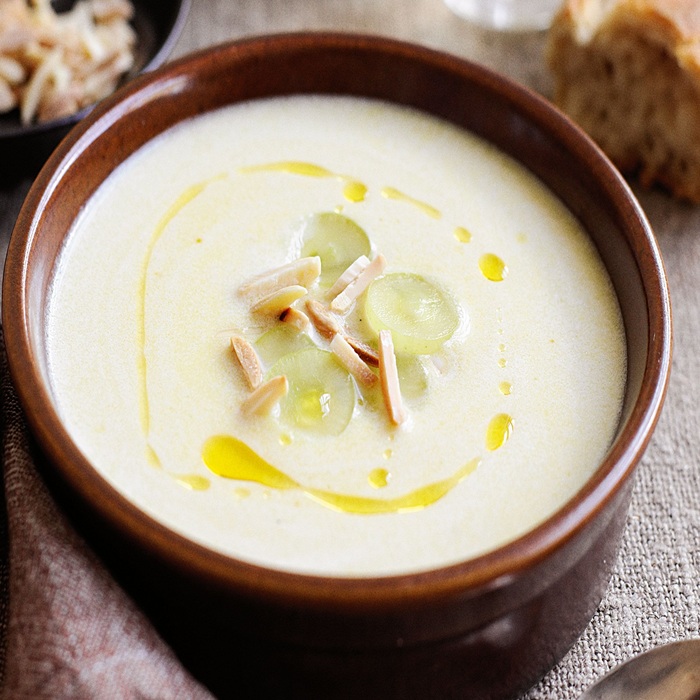
Imagine a sweltering afternoon in Seville, where the mercury climbs past 100°F. Locals seek refuge in the shade, and on the table appears a bowl of ajo blanco—a chilled, ivory-colored soup that looks like liquid silk. This ancient Andalusian dish, whose name means 'white garlic,' is a testament to the region's ingenuity: it transforms humble ingredients—stale bread, raw almonds, garlic, olive oil, and vinegar—into a refreshing elixir that cools the body and delights the palate. But beyond its role as a summer staple, ajo blanco is a nutritional gem. In this article, we'll delve into the science behind its health benefits, from its heart-healthy fats to its antioxidant-rich ingredients. You'll discover how this simple soup delivers a surprising array of macros, vitamins, and minerals, and why modern research supports what Andalusians have known for centuries: that ajo blanco is not just food, but medicine for the soul and body.
The Macro Breakdown: A Balanced Profile
A typical serving of ajo blanco (about 1 cup) provides approximately 300 calories, with a macronutrient split that aligns well with Mediterranean diet principles. The soup contains around 6 grams of protein, 20 grams of carbohydrates, and 24 grams of fat—mostly monounsaturated fat from olive oil and almonds. The fat content, while high, is largely heart-healthy: almonds and extra virgin olive oil are rich in oleic acid, which has been shown to lower LDL cholesterol and reduce inflammation. The carbohydrates come primarily from the bread, which also contributes to the soup's creamy texture. Fiber content is modest, around 3 grams per serving, but the fat and protein help promote satiety. This balance makes ajo blanco a satisfying starter or light meal, especially when paired with a side salad or grilled vegetables. For those monitoring their intake, it's easy to adjust the bread or oil to suit dietary needs without sacrificing flavor.
Vitamins and Minerals: A Hidden Treasure Trove
Ajo blanco is more than just calories; it's a source of essential micronutrients. Almonds are particularly rich in vitamin E, a powerful antioxidant that protects cells from oxidative damage. A single serving can provide up to 30% of the daily recommended intake. The garlic contributes manganese, vitamin B6, and vitamin C, along with sulfur compounds like allicin, known for their antimicrobial and anti-inflammatory properties. Extra virgin olive oil adds vitamin K and polyphenols, while red wine vinegar provides trace minerals and acetic acid, which may aid in blood sugar control. The bread, especially if whole grain, can add B vitamins and iron. Together, these ingredients create a synergy that supports immune function, skin health, and cardiovascular wellness. It's a reminder that traditional dishes often pack a nutritional punch that modern processed foods lack.
The Andalusian Origins: From Peasant Food to Modern Delicacy
Ajo blanco has deep roots in Andalusia, particularly in Málaga and Granada, where it is often called 'ajo blanco malagueño.' Its origins likely date back to the Moorish period in Spain (8th to 15th centuries), when almonds and garlic were staples. Some food historians believe it evolved from a peasant dish called 'ajoblanco,' which was a cold soup made with bread, garlic, and olive oil, and later almonds were added. Unlike gazpacho, which includes tomatoes and peppers (New World ingredients), ajo blanco predates the Columbian Exchange, making it a purely Old World recipe. It was traditionally served during the grape harvest, accompanied by fresh grapes, which are often used as a garnish today. Over centuries, it has remained a beloved summer dish, symbolizing the resourcefulness and simplicity of Andalusian cuisine. Today, it is celebrated in tapas bars and fine dining restaurants alike, a testament to its timeless appeal.
Pro Tip: The Emulsification Secret for Silky Perfection
The key to a flawless ajo blanco lies in achieving a stable emulsion. Many home cooks end up with a grainy or separated soup because they add the olive oil too quickly or use the wrong technique. Here's the expert secret: start by soaking the bread in water until soft, then squeeze out excess moisture. In a blender, combine the bread, blanched almonds (skins removed for a smoother texture), garlic, salt, and a splash of vinegar. Blend until you have a thick paste. Then, with the blender running on low, slowly drizzle in the extra virgin olive oil in a thin, steady stream—just as you would make mayonnaise. This allows the oil to emulsify with the bread and almond mixture, creating a velvety consistency. Finally, add ice-cold water to reach your desired thickness. The cold water helps the emulsion set and keeps the soup refreshing. For an extra silky texture, pass the soup through a fine-mesh sieve before chilling. This step is optional but elevates the dish to restaurant quality.
Health Science: What Research Says About Ajo Blanco's Ingredients
Modern nutritional science has validated many of the health benefits attributed to ajo blanco's ingredients. Almonds have been linked to improved cholesterol levels, reduced risk of heart disease, and better blood sugar control. A 2017 meta-analysis in Nutrition Reviews found that almond consumption significantly lowered LDL cholesterol and triglycerides. Extra virgin olive oil, a cornerstone of the Mediterranean diet, is rich in polyphenols like oleocanthal, which has anti-inflammatory effects similar to ibuprofen. Garlic's allicin has been studied for its potential to lower blood pressure and improve immune function. Red wine vinegar contains acetic acid, which may enhance insulin sensitivity and promote satiety. Even the bread, if whole grain, provides fiber and prebiotics for gut health. While ajo blanco is not a magic bullet, it is a delicious way to incorporate these healthful foods into your diet. The combination of healthy fats, antioxidants, and anti-inflammatory compounds makes it a smart choice for overall wellness.
Frequently Asked Questions
Q: Can I make ajo blanco ahead of time? A: Yes, ajo blanco can be made up to two days in advance. Store it in an airtight container in the refrigerator. The flavors will meld and deepen, but you may need to stir or blend it again before serving, as it can separate slightly. Q: Is ajo blanco gluten-free? A: Traditional ajo blanco contains bread, so it is not gluten-free. However, you can substitute gluten-free bread or omit the bread and increase the almonds for a thicker consistency. The result will be slightly different but still delicious. Q: What do I serve with ajo blanco? A: Ajo blanco is traditionally garnished with fresh grapes, which add a sweet contrast. It pairs well with a light salad, grilled seafood, or as a refreshing starter for a summer meal. Some also enjoy it with a drizzle of olive oil and a sprinkle of toasted almonds.
Key Takeaways
Ajo blanco is a nutritional powerhouse disguised as a simple summer soup. Its blend of almonds, olive oil, garlic, and vinegar delivers heart-healthy monounsaturated fats, vitamin E, and anti-inflammatory compounds that support overall wellness. The emulsification technique is crucial for achieving that signature silky texture, so take your time when adding the oil. While traditional recipes include bread, you can adapt it to gluten-free needs without losing flavor. Serve it well-chilled with grapes for a touch of sweetness, and consider making it a day ahead to let the flavors meld. Whether you're seeking a refreshing starter or a light meal, ajo blanco offers a delicious way to nourish your body and savor a taste of Andalusia.
Try these recipes on DishIndex
Explore Ajo Blanco recipes and more